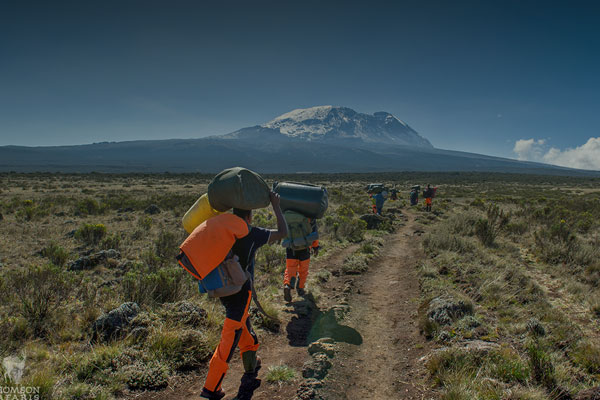

While stepping out for summiting Africa’s highest peak, you need to journey through the diverse Kilimanjaro Zones, each presenting a distinctive facet of nature's grandeur. The journey commences in the Cultivation Zone, where local communities cultivate crops on the fertile lower slopes. As trekkers ascend, the Rainforest Zone envelops them in a lush symphony of foliage, alive with a myriad of plant and animal species. Progressing higher, the Heather-Moorland Zone unravels surreal landscapes, featuring giant lobelias and senecios, creating an almost extra-terrestrial ambiance.
The transition to the Alpine Desert Zone signals a dramatic shift, marked by rocky terrains and sparse vegetation, setting the stage for the arduous summit push. The culmination of the climb reveals the Arctic Zone, crowned by glaciers and panoramic vistas. Kilimanjaro's different ecological zones transforms the ascent into a dynamic journey, offering not just a physical challenge but a visual and sensory spectacle of Africa's natural diversity.
When you begin your climb up Kilimanjaro, the first part is like entering a big garden. This garden is called the Cultivation Zone. People live here, and they grow their food.
The start of your Kilimanjaro Climb is like stepping into a lively neighborhood where the air smells of earth and the sun warms the ground.
Once you leave the Cultivation Zone on Kilimanjaro, you step into a magical place called the Rainforest Zone. It's like entering a giant, green jungle full of life.
This zone is all about nature's orchestra – the sounds, the colors, and the life that surrounds you. It's like wandering into a green wonderland where every step brings a new surprise, making the journey up Kilimanjaro a thrilling adventure into the heart of a vibrant rainforest.
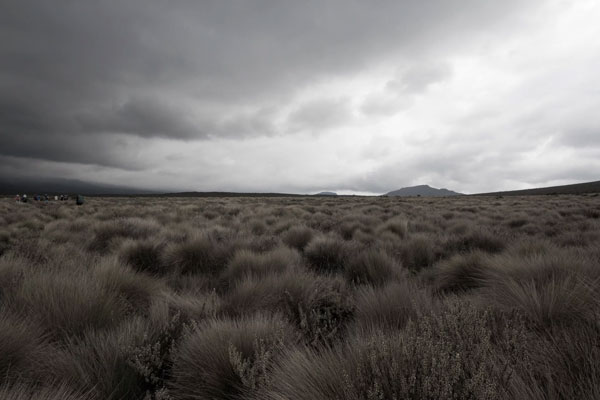
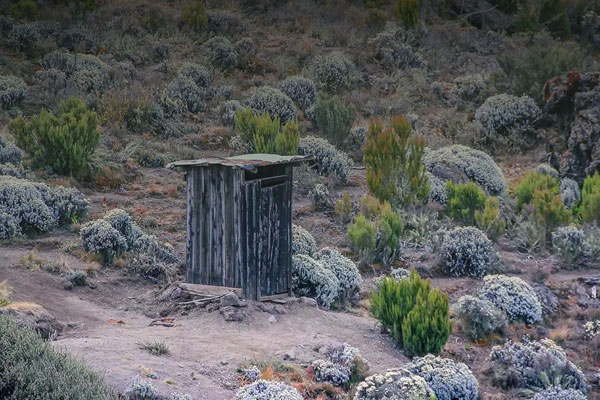
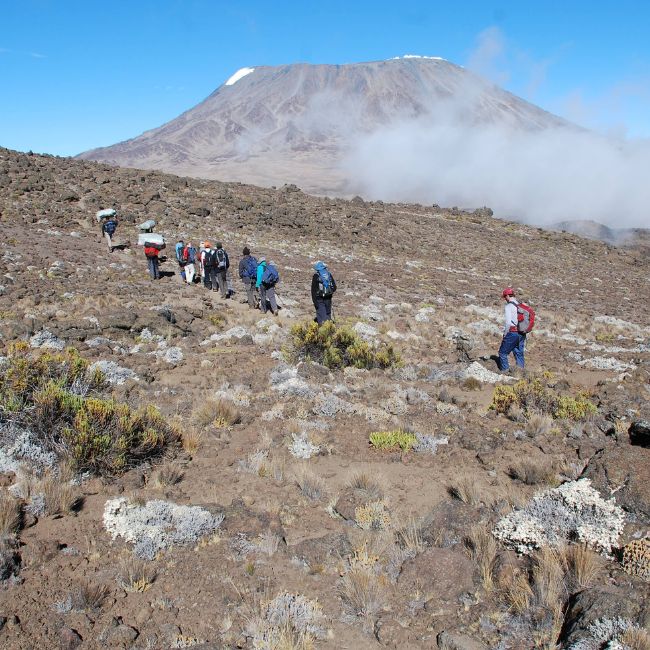
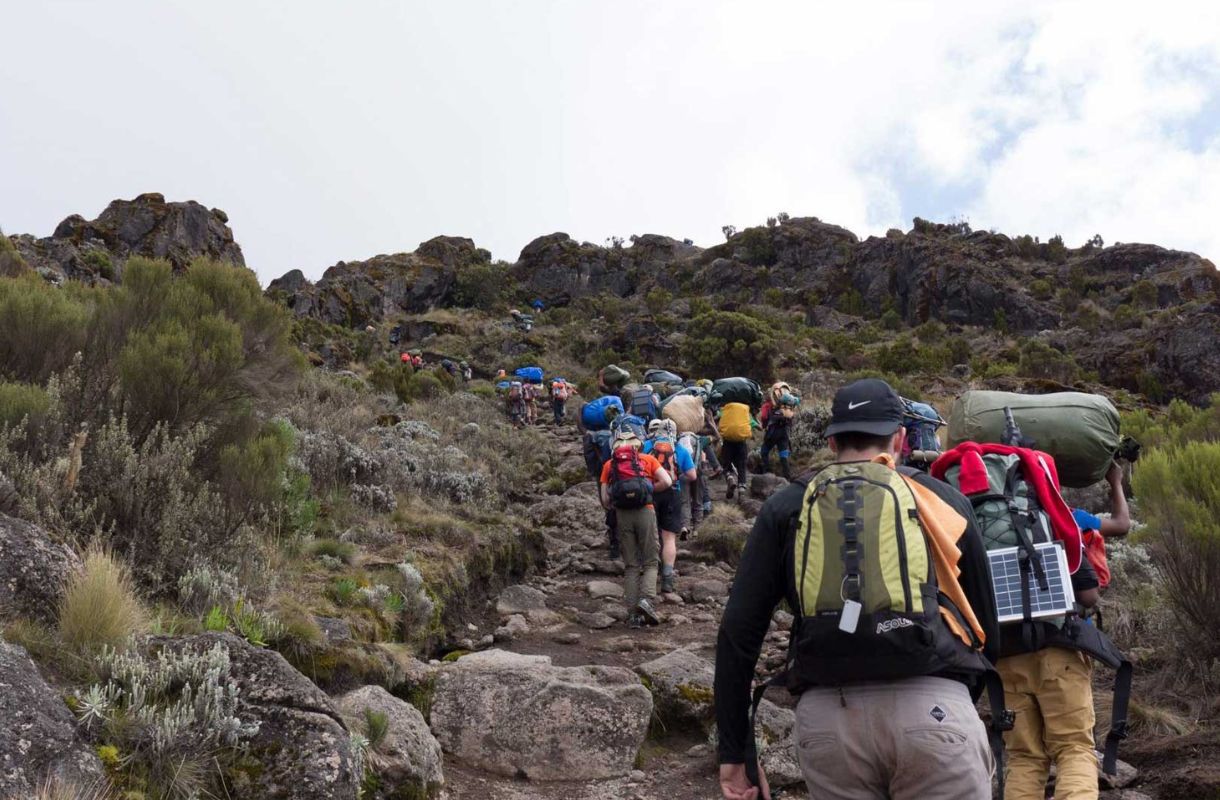
As you continue your Kilimanjaro Climbing Tour, something magical happens – you enter the Heather-Moorland Zone. It's like stepping onto another planet with weird and wonderful things.
This zone feels like a secret garden with its own unique charm. The views are breathtaking, and you might even catch a glimpse of wildlife like hares or different bird species.
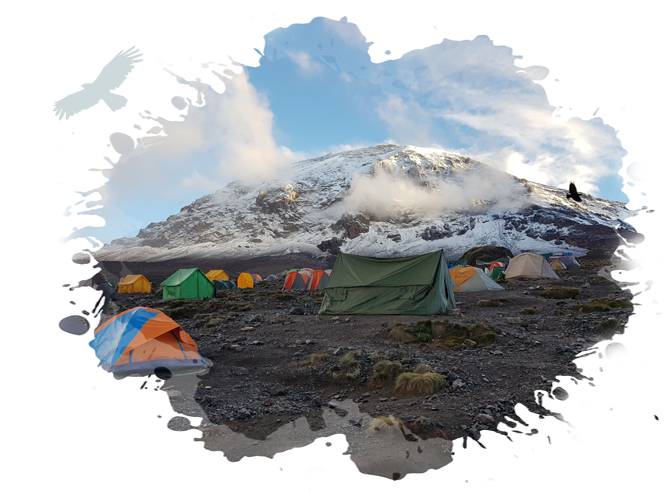
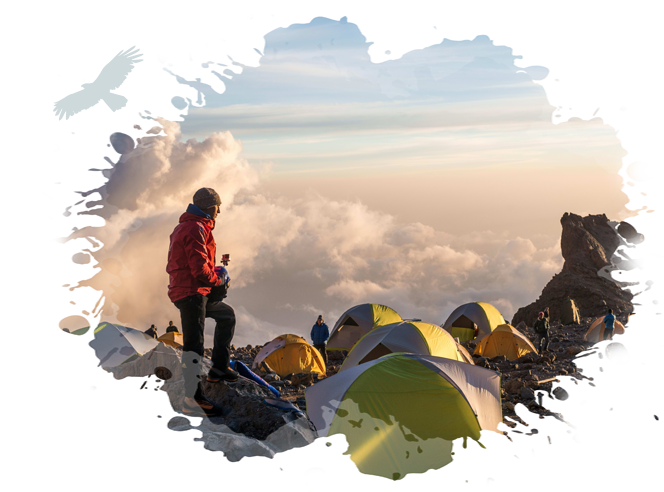
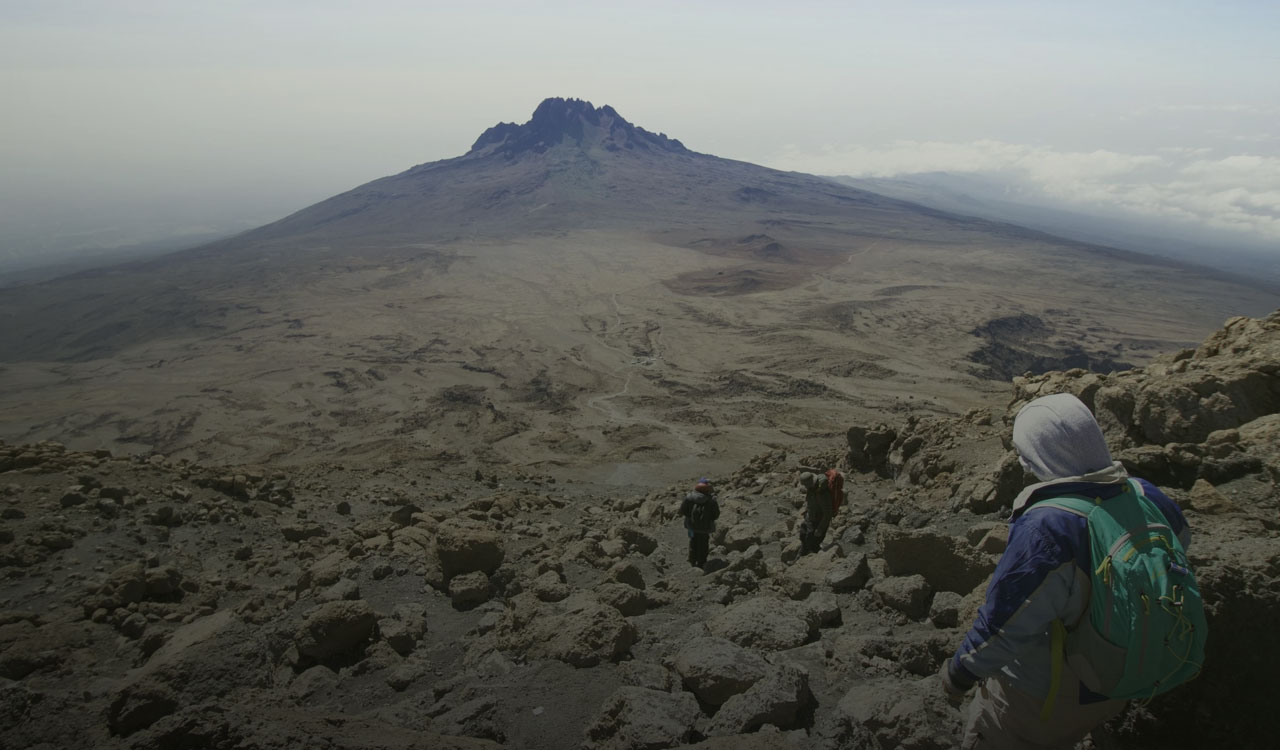
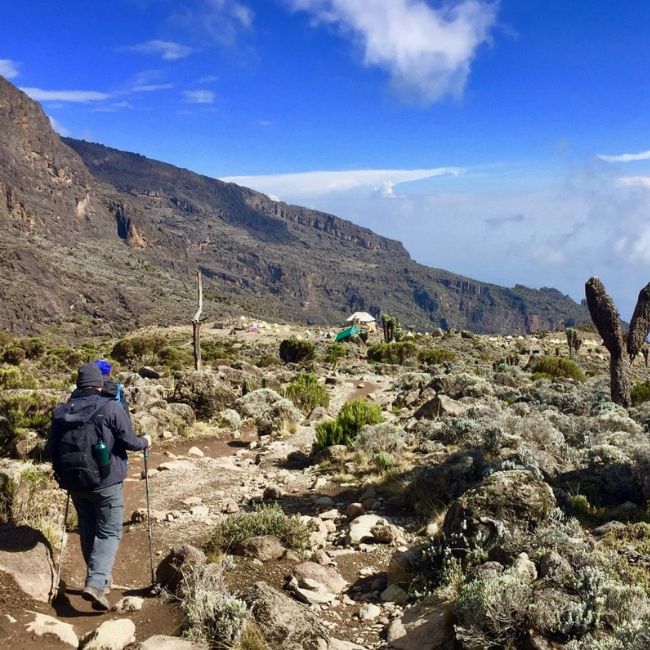
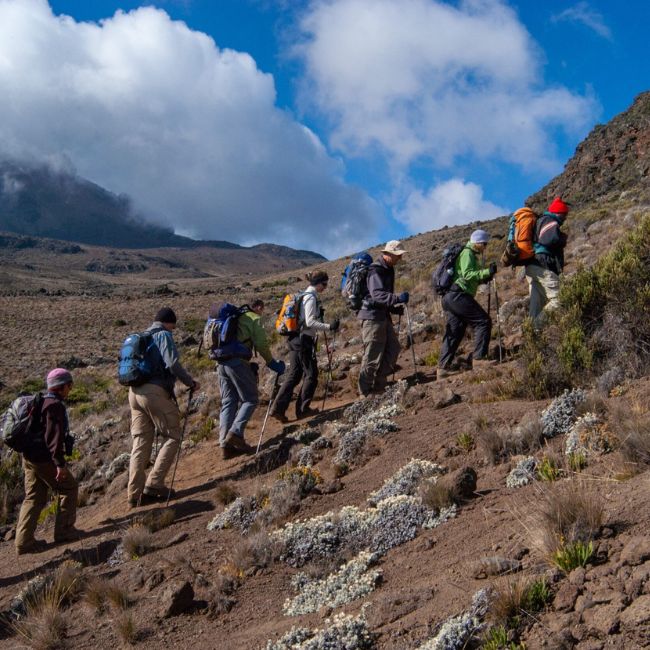
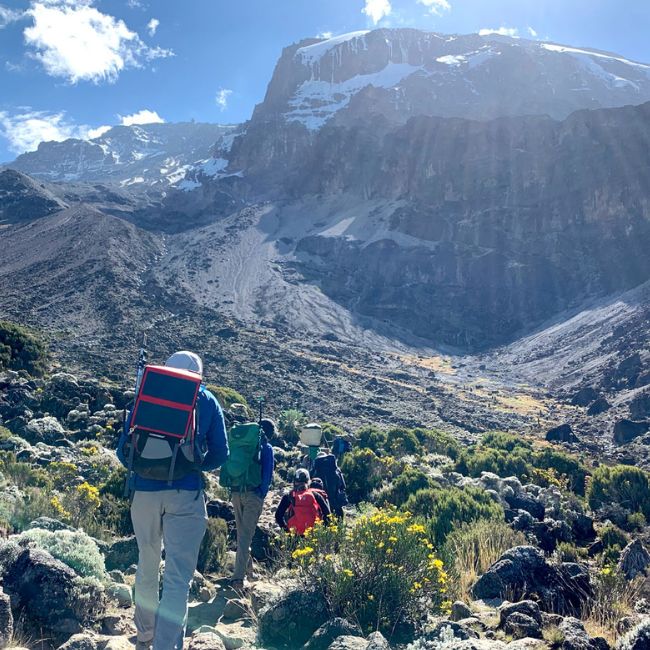
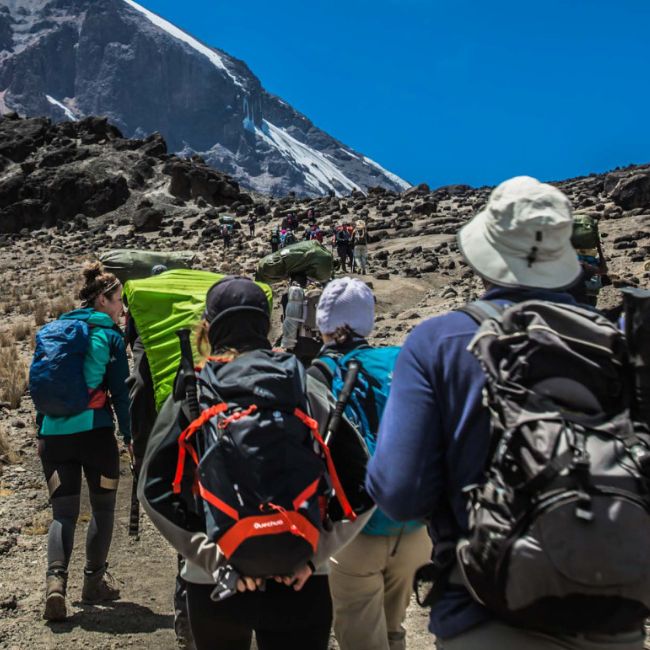
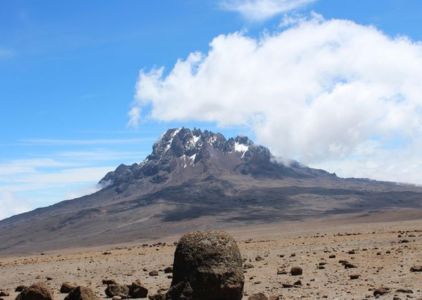
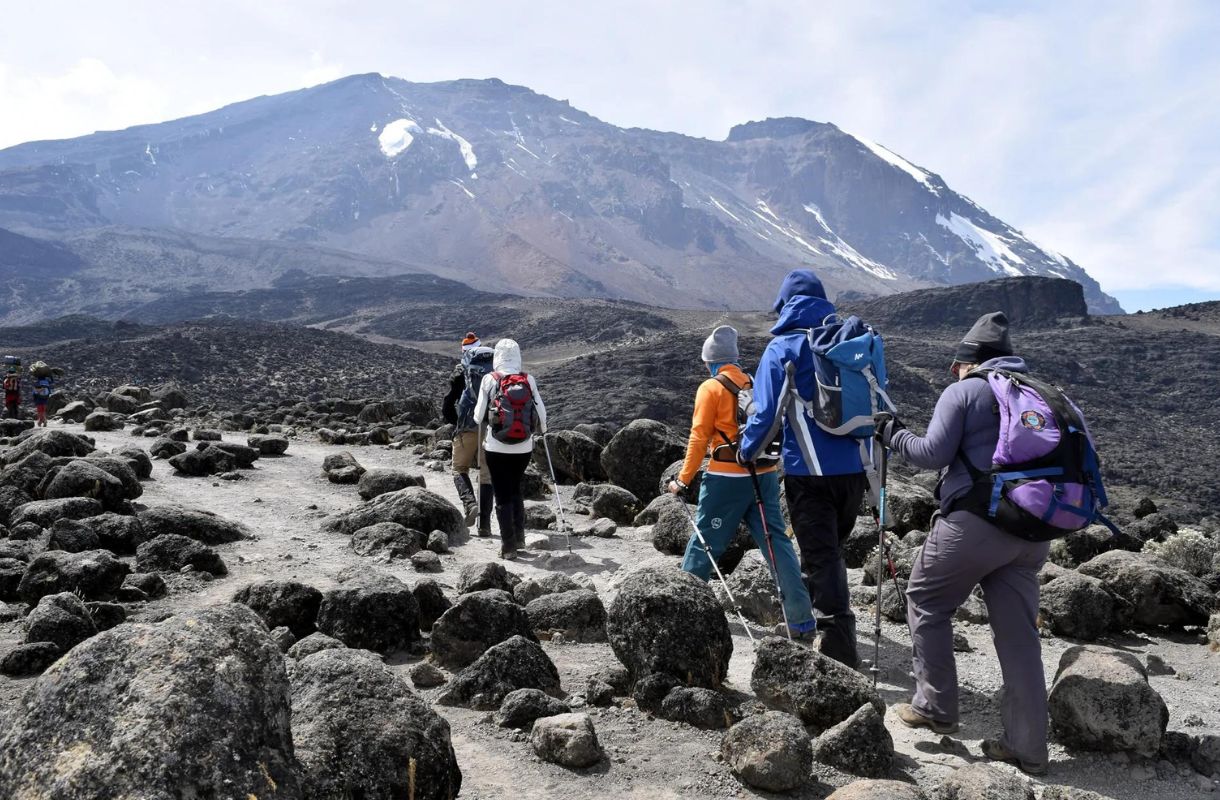
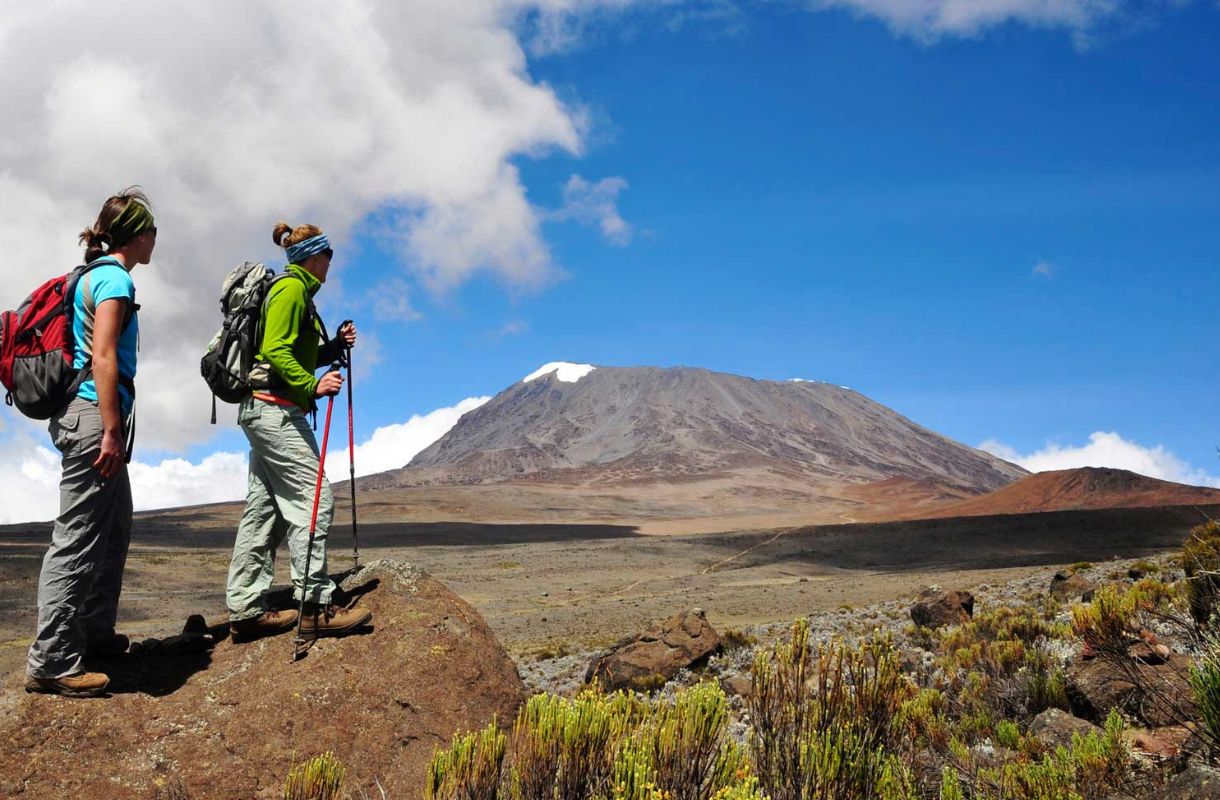
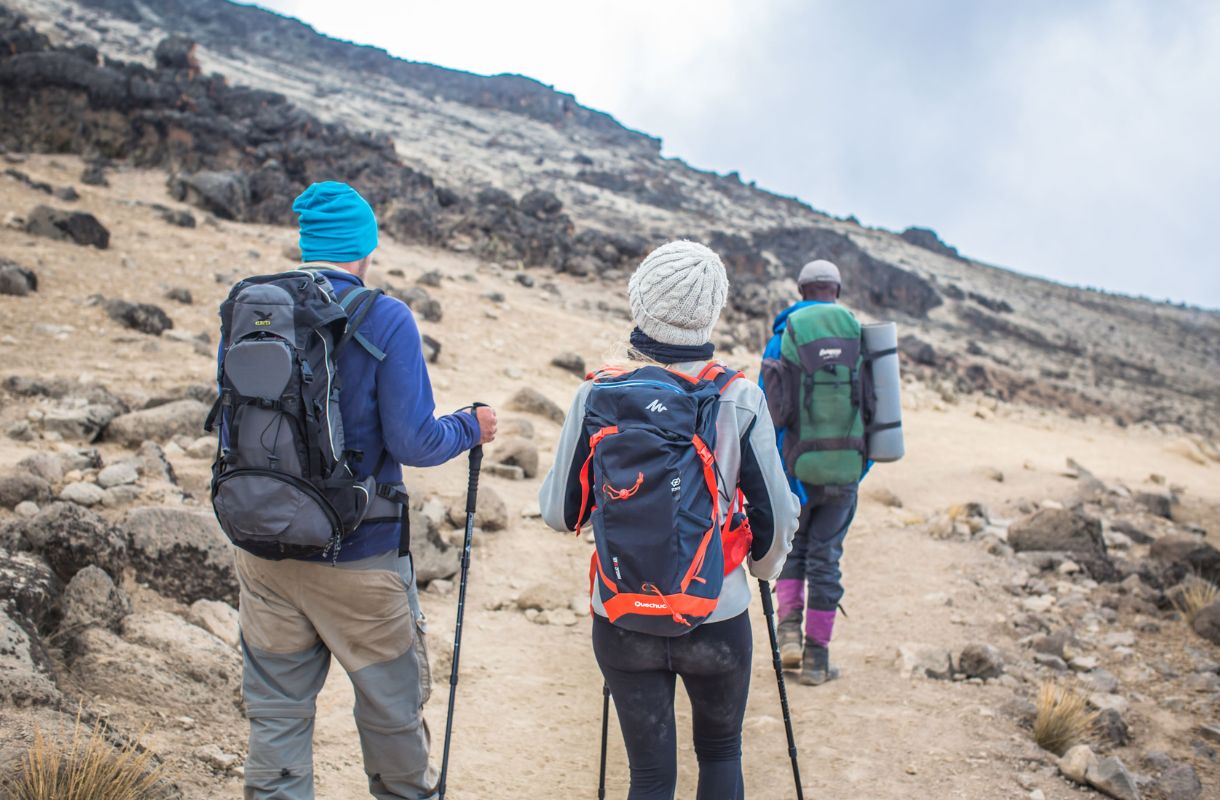
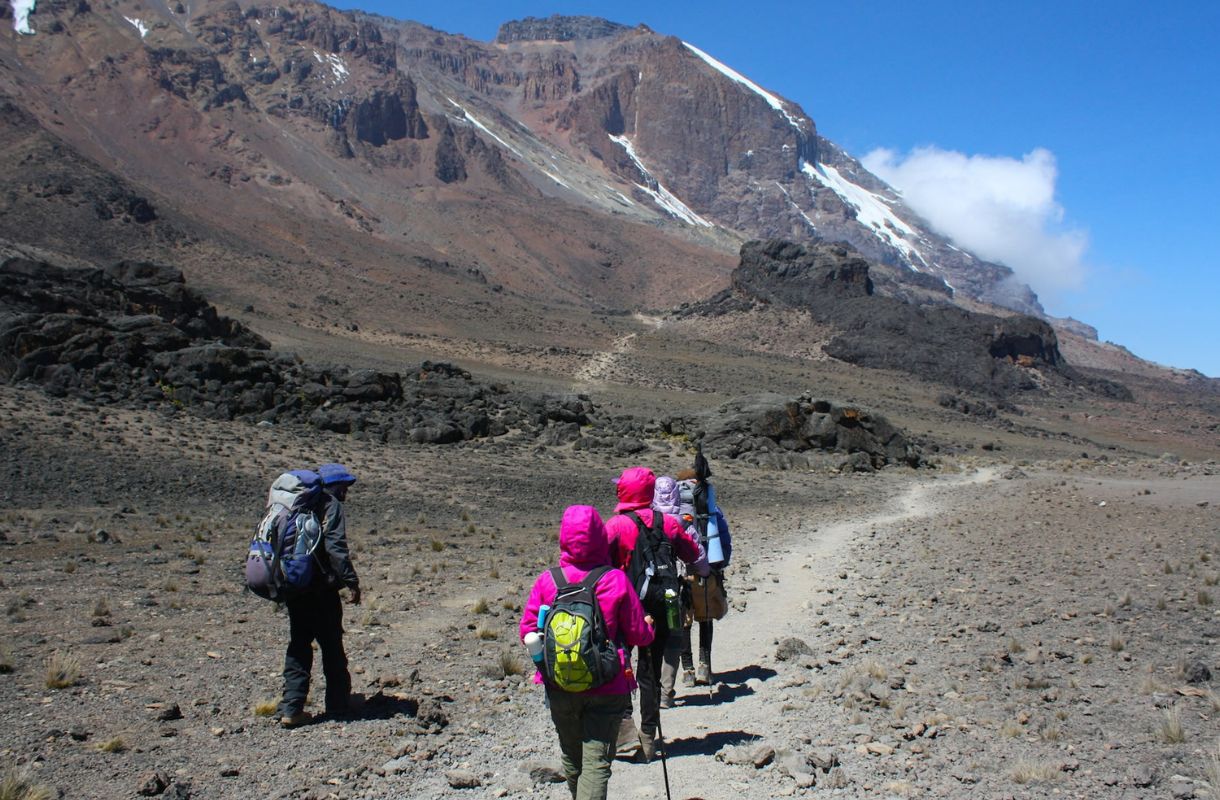
As you climb higher on Kilimanjaro, the scenery changes again, and you find yourself in the Alpine Desert Zone. It's like entering a rocky world where the ground is covered in small stones and rocks. Plants become scarce, and you might feel like you've landed on the moon.
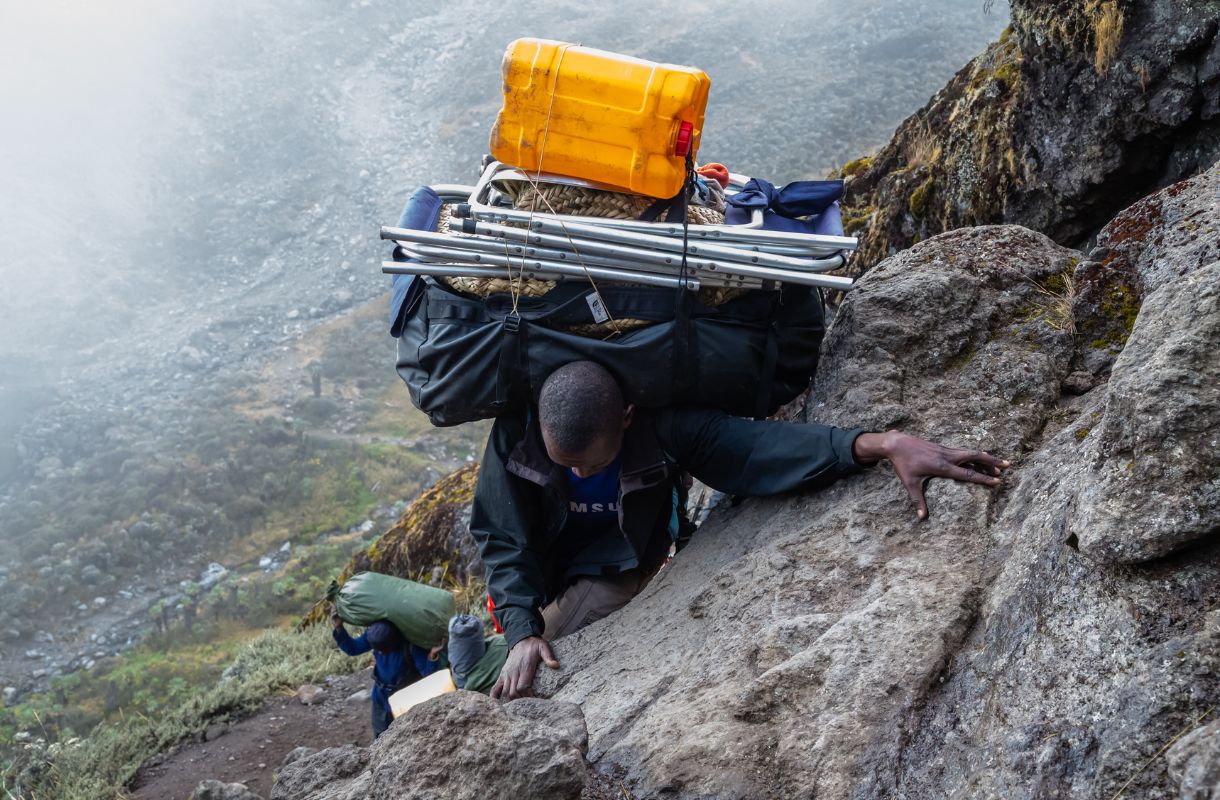
Well, it's a unique adventure where you navigate through the rocks, feeling the raw beauty of the mountain as you inch closer to the ultimate goal – reaching the summit.
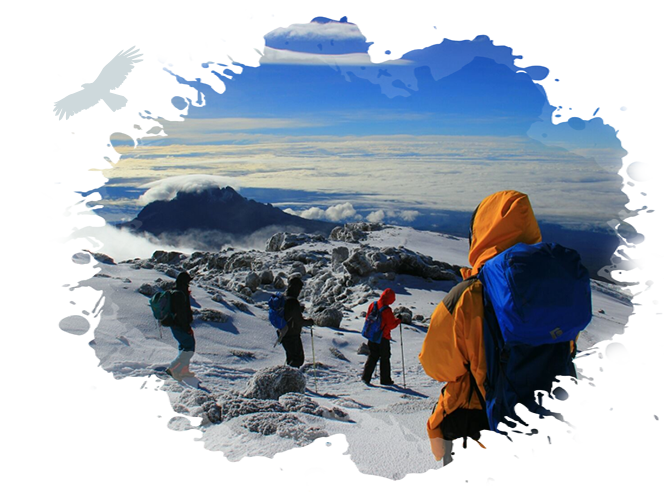
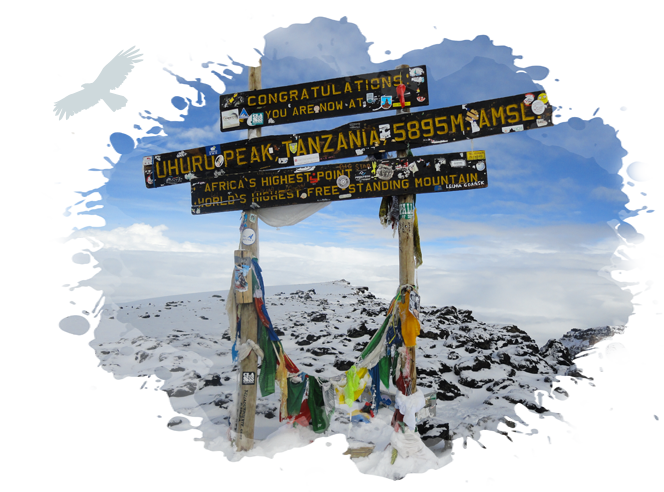
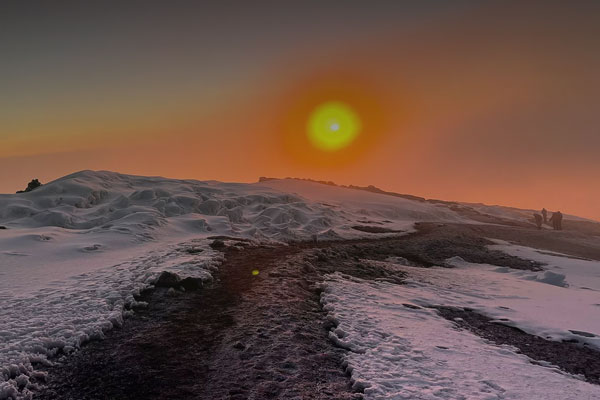
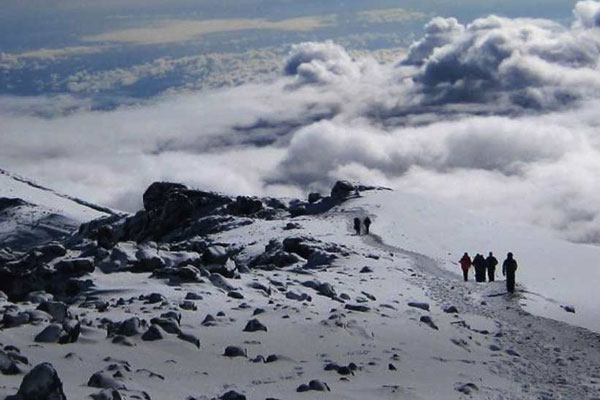
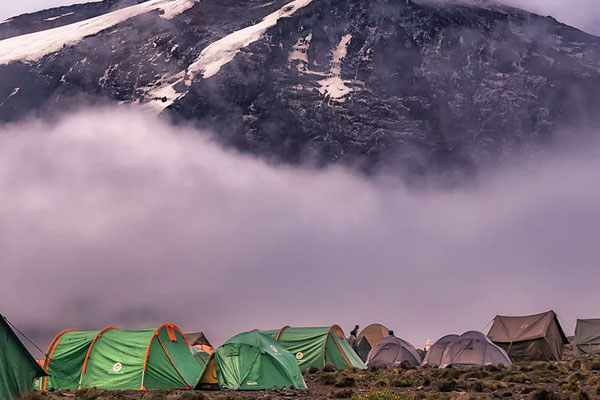
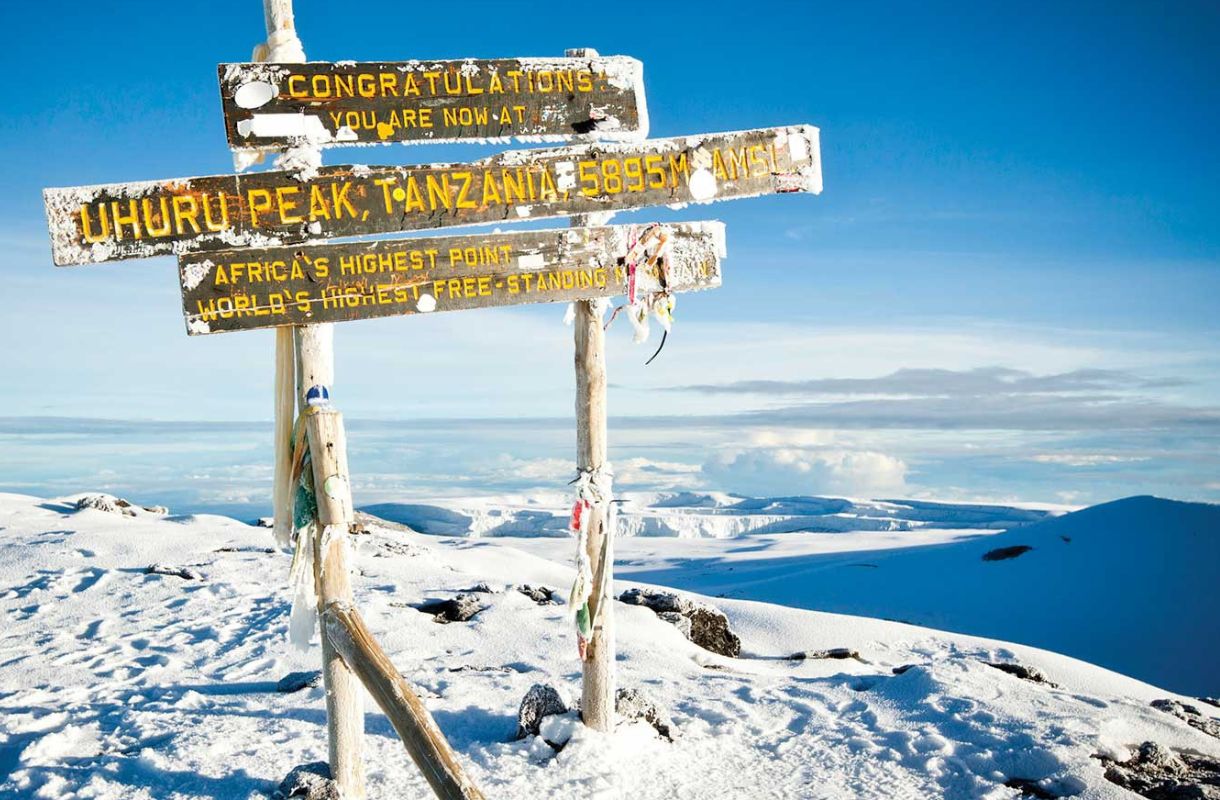
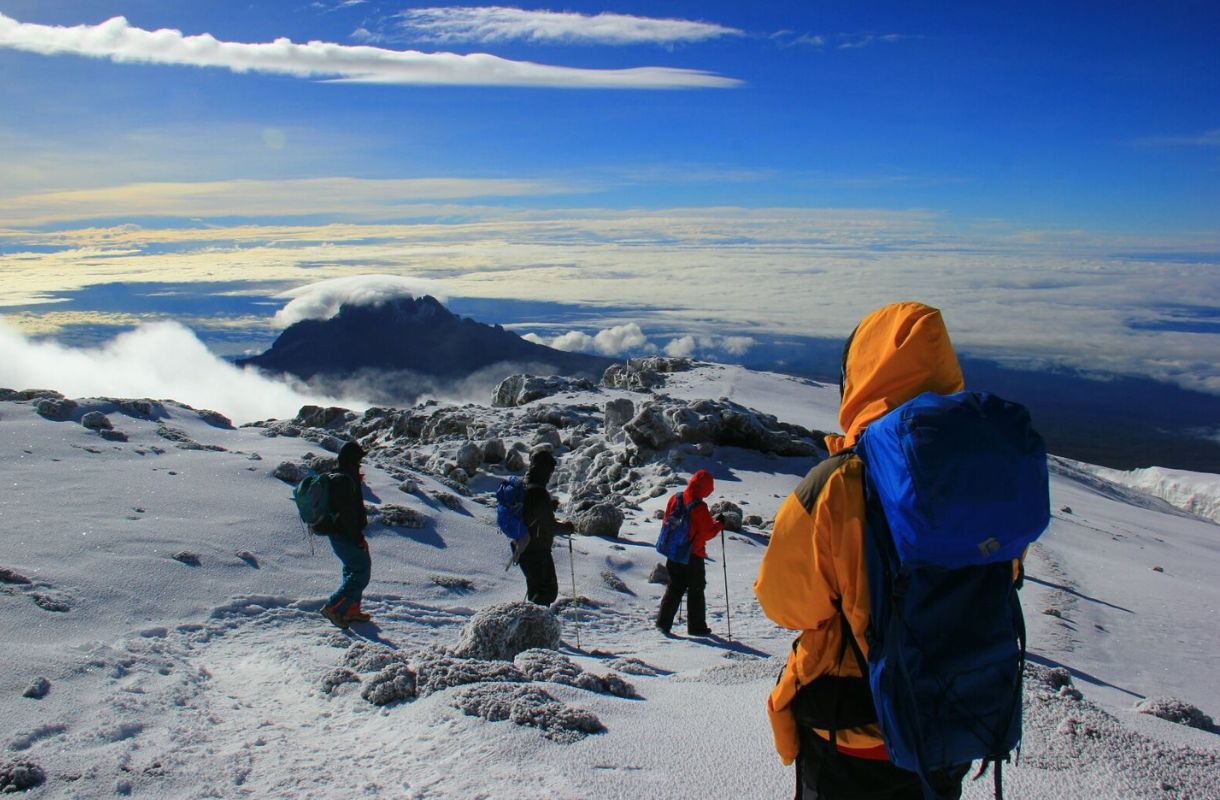
The final stretch of Kilimanjaro Climb takes you to the top, where it's super chilly and icy. This part is called the Arctic Zone. Here, you're on the roof of Africa, surrounded by sparkling snow and breathtaking views.
Reaching the Arctic Zone means you've conquered Kilimanjaro. It's a triumph – like standing on top of the world. The frozen summit is a magical end to your adventure, making all the steps and challenges totally worth it.
The Cultivation Zone is like the mountain's front yard. It's where people live and grow their food. Walking through it feels like strolling in a big, friendly garden with fields of crops like bananas and coffee.
The Rainforest Zone is like a green wonderland. It's full of tall trees, colorful birds, and playful monkeys. It's a magical place where nature's magnificence plays, surrounded by leaves whispering and butterflies dancing.
The Heather-Moorland Zone is a bit like a fairy-tale land. Giant plants called lobelias and skinny cacti called senecios create a surreal landscape. Soft green grass covers the ground, making it a charming and dreamlike space.
The Alpine Desert Zone feels like being on an expedition through a rocky wilderness. Small stones cover the ground, and plants become rare. It's a quiet and rugged place with breathtaking views, preparing you for the final climb.
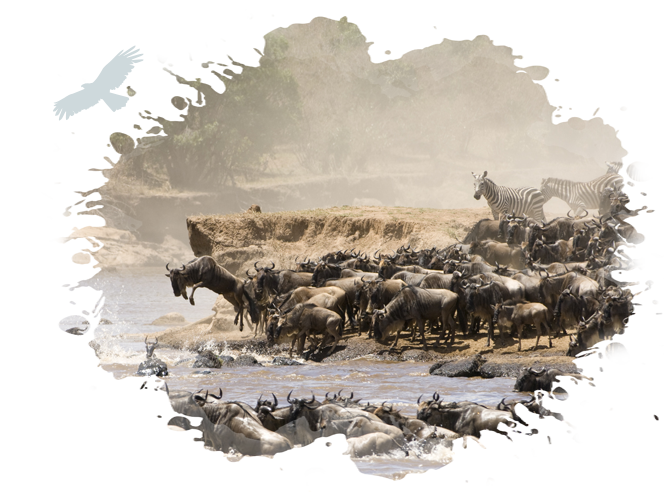
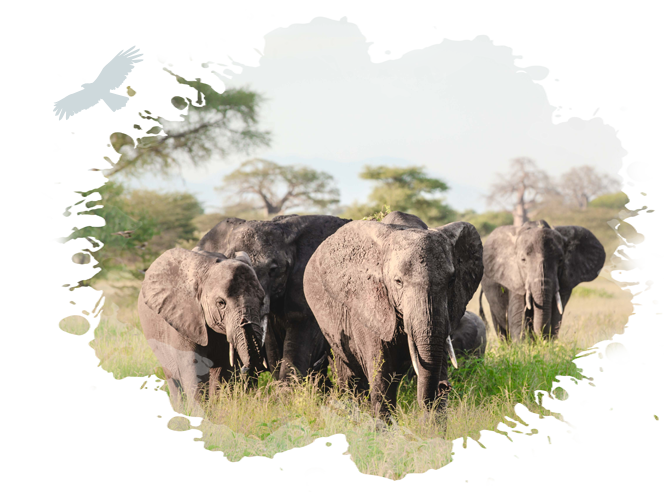
Yes, especially in the Rainforest Zone. Monkeys swing from trees, and you might even spot elephants or buffalos. Kilimanjaro isn't just about landscapes; it's a home to various animals on your way up.
As climbers ascend Kilimanjaro, the altitude increases, leading to reduced oxygen levels. This can result Kilimanjaro Altitude Sickness, including headaches and nausea. Adequate acclimatization and a gradual ascent are crucial to minimize the effects of altitude and increase the chances of a successful summit.
"We believe in better travel. The kind that empowers local communities, combats over-tourism, and helps the world’s wildest places stay that way. We’re about the type of trips founded on knowledge you won’t get from Google, and experiences that stay with you – for all the best reasons. It’s travel you can feel good about. And it’s travel that’s all about you. "






Unforgettable safari Experience at Tanzania Safari house in Serengeti: Luxury wildlife, and exceptional hospitality. Highly recommended

 USA
USA
We (2 adults plus 2 kids aged 9+11) undertook a 10 day trip to Arusha, Lake Eyasi, Ngorongoro, Serengeti, Lake Manyara and Tarangire. We wanted an individual tour which included not only game driving but some insights into socio-cultural life in Tanzania (the kids attended a local school for two days and we wanted to spend some time with the Datoga tribe and bushmen at Lake Eyasi)
 Italy
Italy
We took the 6 Days Safari Package in Ngorongoro and Serengeti, I would like to thank Dream African Safaris for the excellent preparation for our Ngorongoro tour. The tour was fabulous and hassle-free the accommodation was very nice and the food as well. they are very helpful. we really enjoyed it.
 USA
USA
Issak knows a lot about the park, He is fun and when you travel with him you learn a lot and he guides you well
 USA
USA
Unforgettable safari Experience at Tanzania Safari house in Serengeti: Luxury wildlife, and exceptional hospitality. Highly recommended
USA
We (2 adults plus 2 kids aged 9+11) undertook a 10 day trip to Arusha, Lake Eyasi, Ngorongoro, Serengeti, Lake Manyara and Tarangire. We wanted an individual tour which included not only game driving but some insights into socio-cultural life in Tanzania (the kids attended a local school for two days and we wanted to spend some time with the Datoga tribe and bushmen at Lake Eyasi)
Italy
We took the 6 Days Safari Package in Ngorongoro and Serengeti, I would like to thank Dream African Safaris for the excellent preparation for our Ngorongoro tour. The tour was fabulous and hassle-free the accommodation was very nice and the food as well. they are very helpful. we really enjoyed it.
USA
Issak knows a lot about the park, He is fun and when you travel with him you learn a lot and he guides you well
USA
Unforgettable safari Experience at Tanzania Safari house in Serengeti: Luxury wildlife, and exceptional hospitality. Highly recommended
USA
We (2 adults plus 2 kids aged 9+11) undertook a 10 day trip to Arusha, Lake Eyasi, Ngorongoro, Serengeti, Lake Manyara and Tarangire. We wanted an individual tour which included not only game driving but some insights into socio-cultural life in Tanzania (the kids attended a local school for two days and we wanted to spend some time with the Datoga tribe and bushmen at Lake Eyasi)
Italy
We took the 6 Days Safari Package in Ngorongoro and Serengeti, I would like to thank Dream African Safaris for the excellent preparation for our Ngorongoro tour. The tour was fabulous and hassle-free the accommodation was very nice and the food as well. they are very helpful. we really enjoyed it.
USA
Issak knows a lot about the park, He is fun and when you travel with him you learn a lot and he guides you well
USA
Unforgettable safari Experience at Tanzania Safari house in Serengeti: Luxury wildlife, and exceptional hospitality. Highly recommended
USA
We (2 adults plus 2 kids aged 9+11) undertook a 10 day trip to Arusha, Lake Eyasi, Ngorongoro, Serengeti, Lake Manyara and Tarangire. We wanted an individual tour which included not only game driving but some insights into socio-cultural life in Tanzania (the kids attended a local school for two days and we wanted to spend some time with the Datoga tribe and bushmen at Lake Eyasi)
Italy
We took the 6 Days Safari Package in Ngorongoro and Serengeti, I would like to thank Dream African Safaris for the excellent preparation for our Ngorongoro tour. The tour was fabulous and hassle-free the accommodation was very nice and the food as well. they are very helpful. we really enjoyed it.
USA
Issak knows a lot about the park, He is fun and when you travel with him you learn a lot and he guides you well
USA
Unforgettable safari Experience at Tanzania Safari house in Serengeti: Luxury wildlife, and exceptional hospitality. Highly recommended
USA
We (2 adults plus 2 kids aged 9+11) undertook a 10 day trip to Arusha, Lake Eyasi, Ngorongoro, Serengeti, Lake Manyara and Tarangire. We wanted an individual tour which included not only game driving but some insights into socio-cultural life in Tanzania (the kids attended a local school for two days and we wanted to spend some time with the Datoga tribe and bushmen at Lake Eyasi)
Italy
We took the 6 Days Safari Package in Ngorongoro and Serengeti, I would like to thank Dream African Safaris for the excellent preparation for our Ngorongoro tour. The tour was fabulous and hassle-free the accommodation was very nice and the food as well. they are very helpful. we really enjoyed it.
USA
Issak knows a lot about the park, He is fun and when you travel with him you learn a lot and he guides you well
USA
Unforgettable safari Experience at Tanzania Safari house in Serengeti: Luxury wildlife, and exceptional hospitality. Highly recommended
USA
We (2 adults plus 2 kids aged 9+11) undertook a 10 day trip to Arusha, Lake Eyasi, Ngorongoro, Serengeti, Lake Manyara and Tarangire. We wanted an individual tour which included not only game driving but some insights into socio-cultural life in Tanzania (the kids attended a local school for two days and we wanted to spend some time with the Datoga tribe and bushmen at Lake Eyasi)
Italy
We took the 6 Days Safari Package in Ngorongoro and Serengeti, I would like to thank Dream African Safaris for the excellent preparation for our Ngorongoro tour. The tour was fabulous and hassle-free the accommodation was very nice and the food as well. they are very helpful. we really enjoyed it.
USA
Issak knows a lot about the park, He is fun and when you travel with him you learn a lot and he guides you well
USA
Unforgettable safari Experience at Tanzania Safari house in Serengeti: Luxury wildlife, and exceptional hospitality. Highly recommended
USA
We (2 adults plus 2 kids aged 9+11) undertook a 10 day trip to Arusha, Lake Eyasi, Ngorongoro, Serengeti, Lake Manyara and Tarangire. We wanted an individual tour which included not only game driving but some insights into socio-cultural life in Tanzania (the kids attended a local school for two days and we wanted to spend some time with the Datoga tribe and bushmen at Lake Eyasi)
Italy
We took the 6 Days Safari Package in Ngorongoro and Serengeti, I would like to thank Dream African Safaris for the excellent preparation for our Ngorongoro tour. The tour was fabulous and hassle-free the accommodation was very nice and the food as well. they are very helpful. we really enjoyed it.
USA
Issak knows a lot about the park, He is fun and when you travel with him you learn a lot and he guides you well
USAOur commitment to exceptional stays goes hand in hand with cultivating strategic partnerships. We take pride in collaborating with a select network of accommodation providers, certifying that our travelers experience comfort, uniqueness, and excellence.