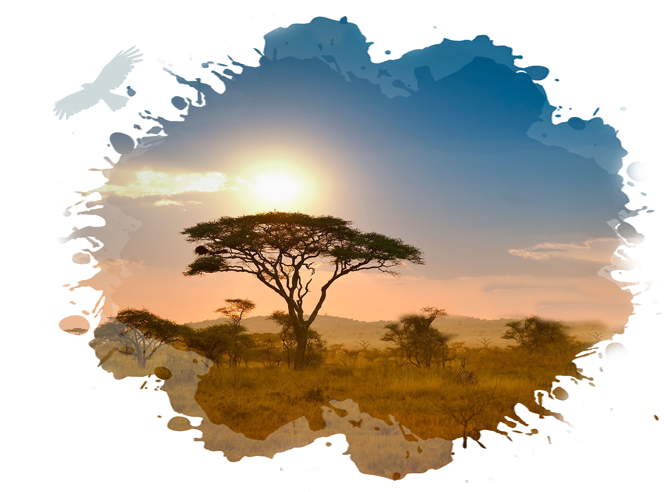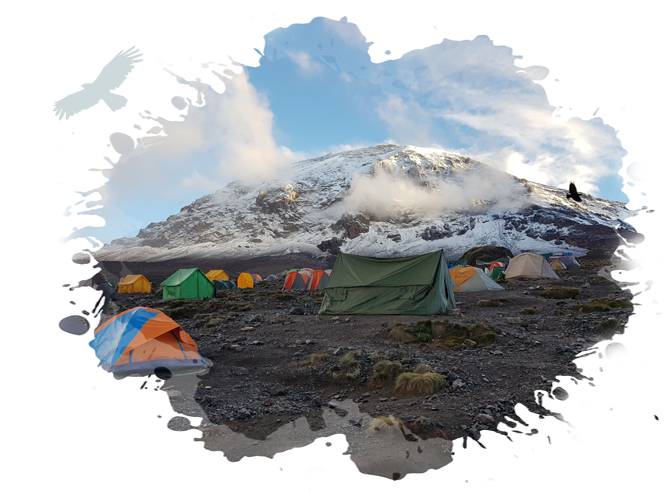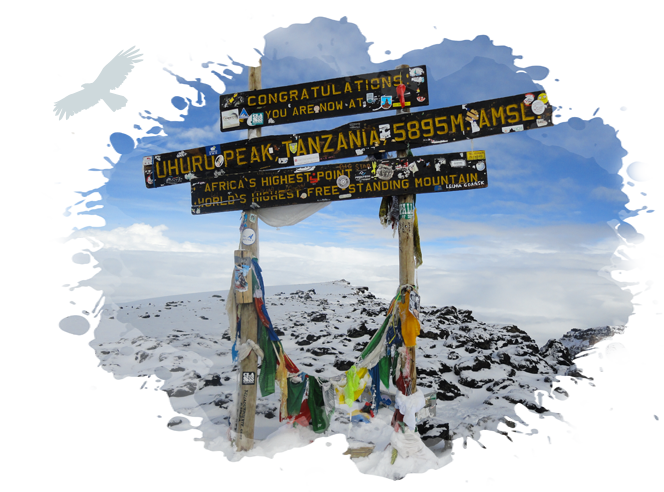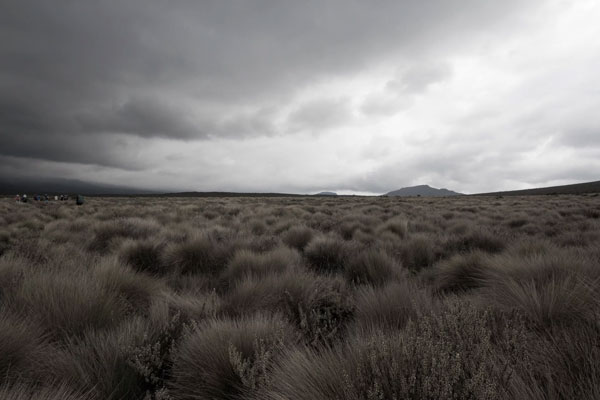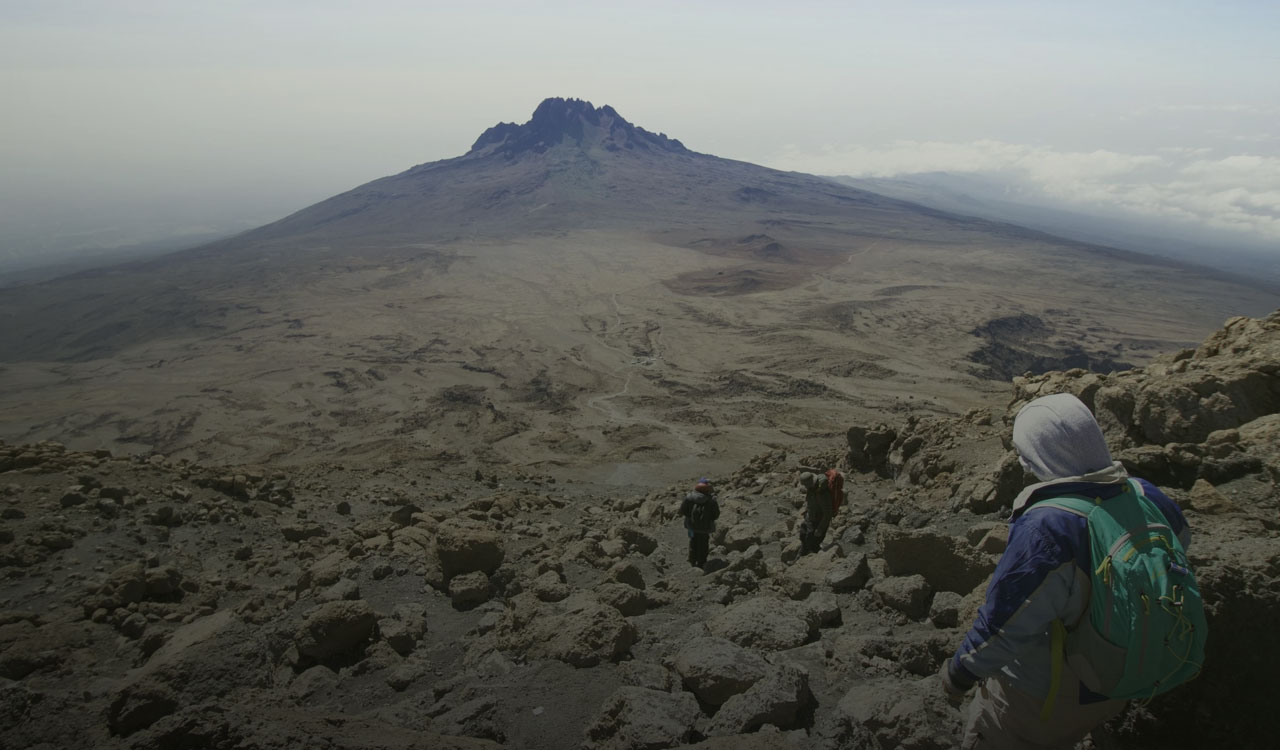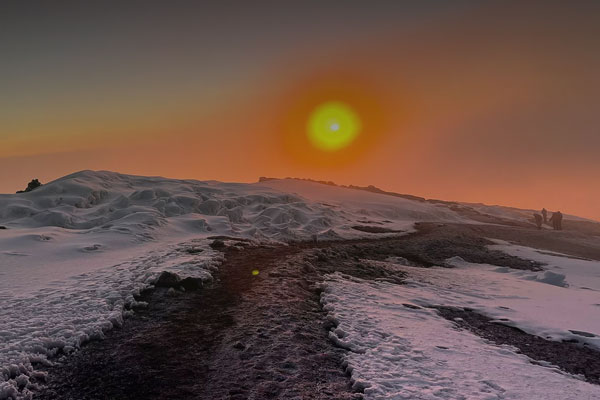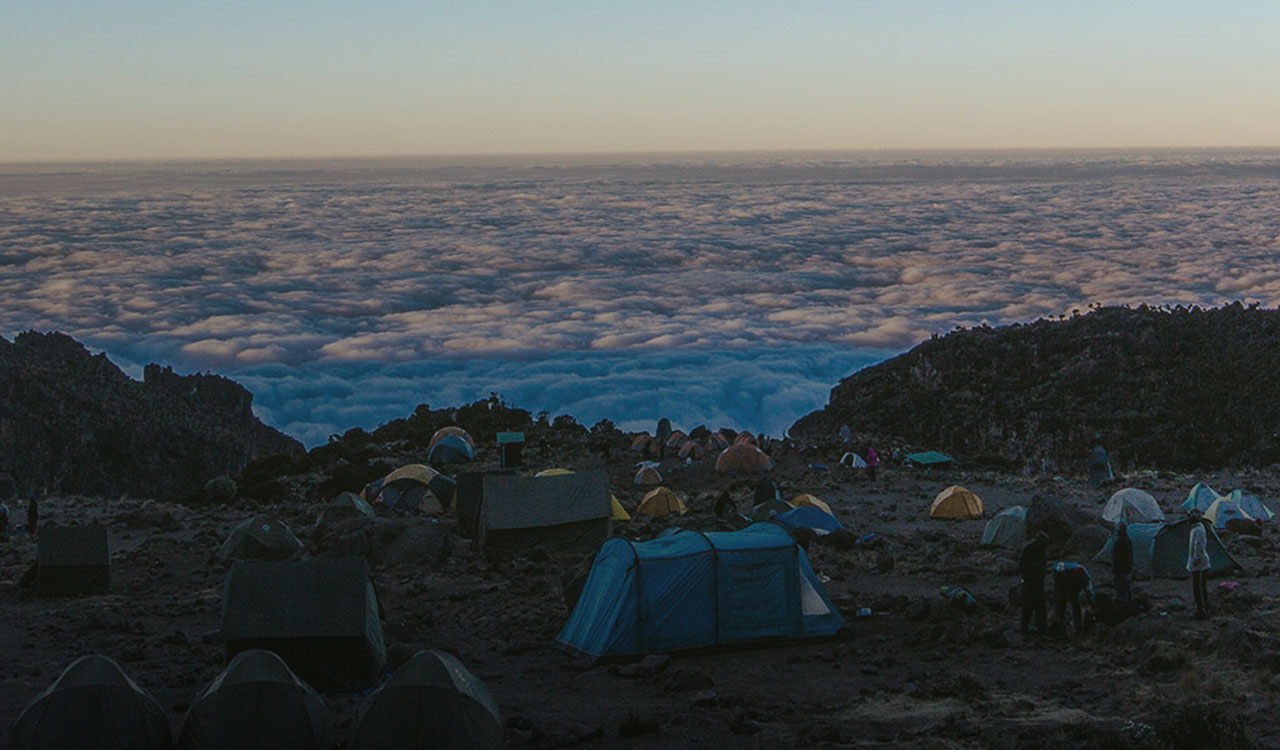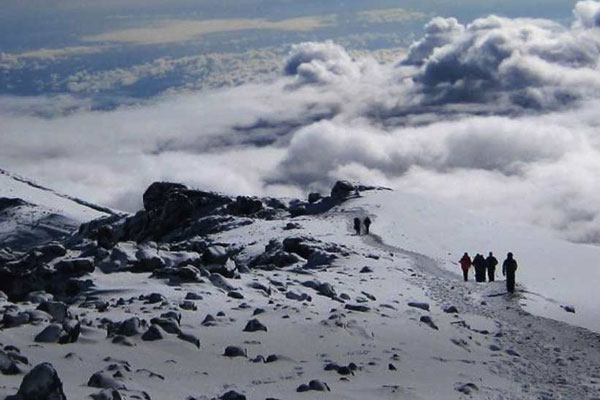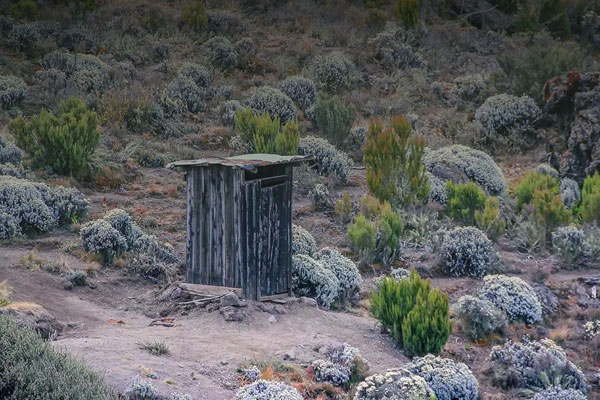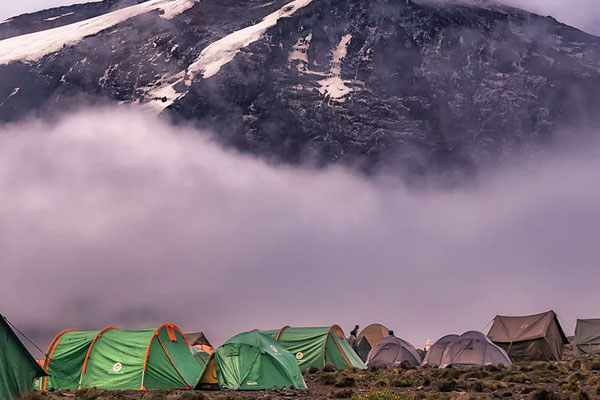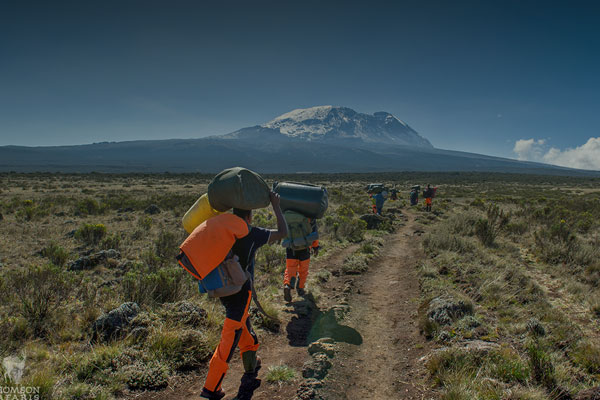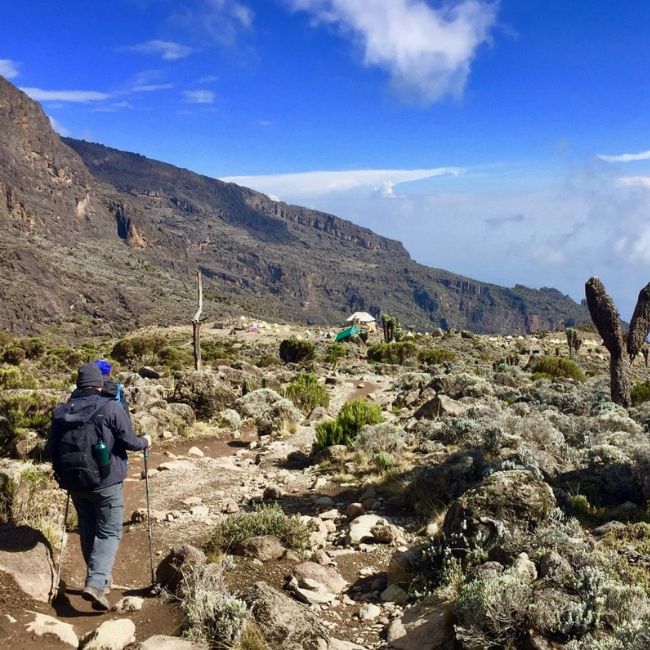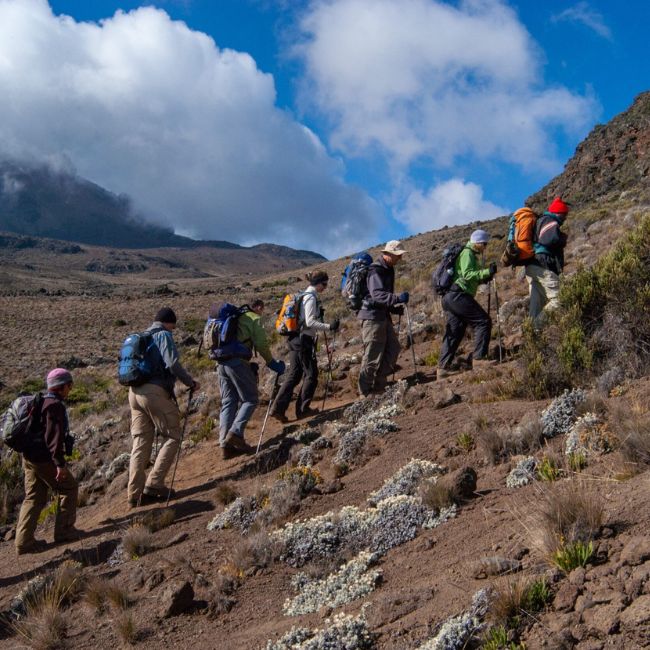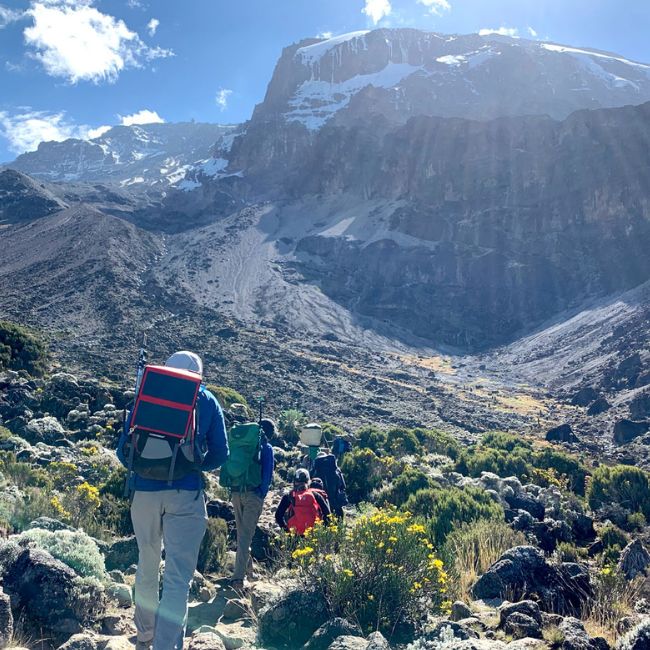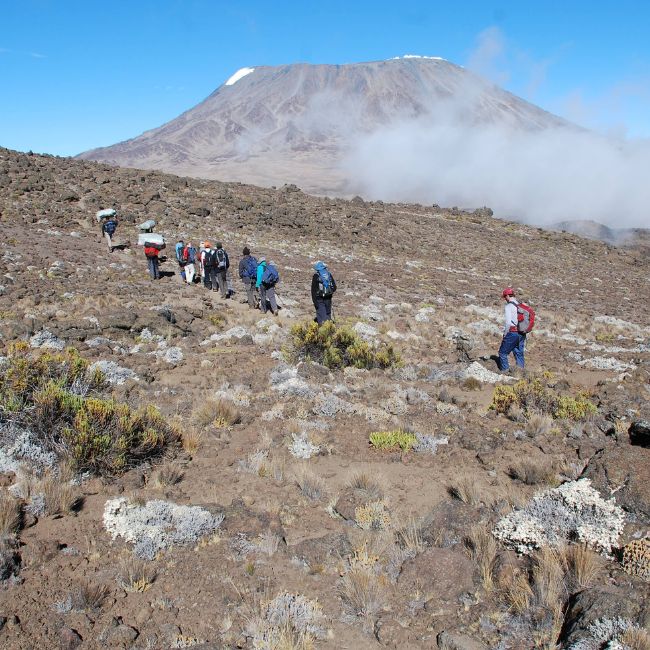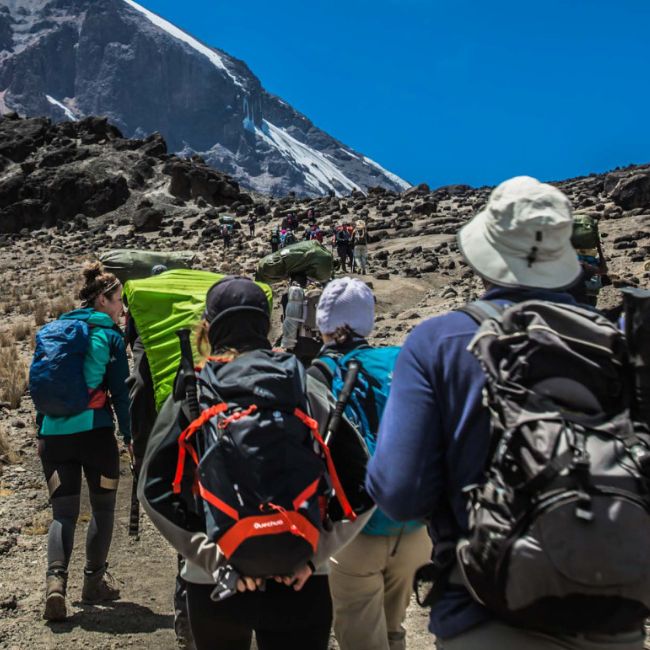

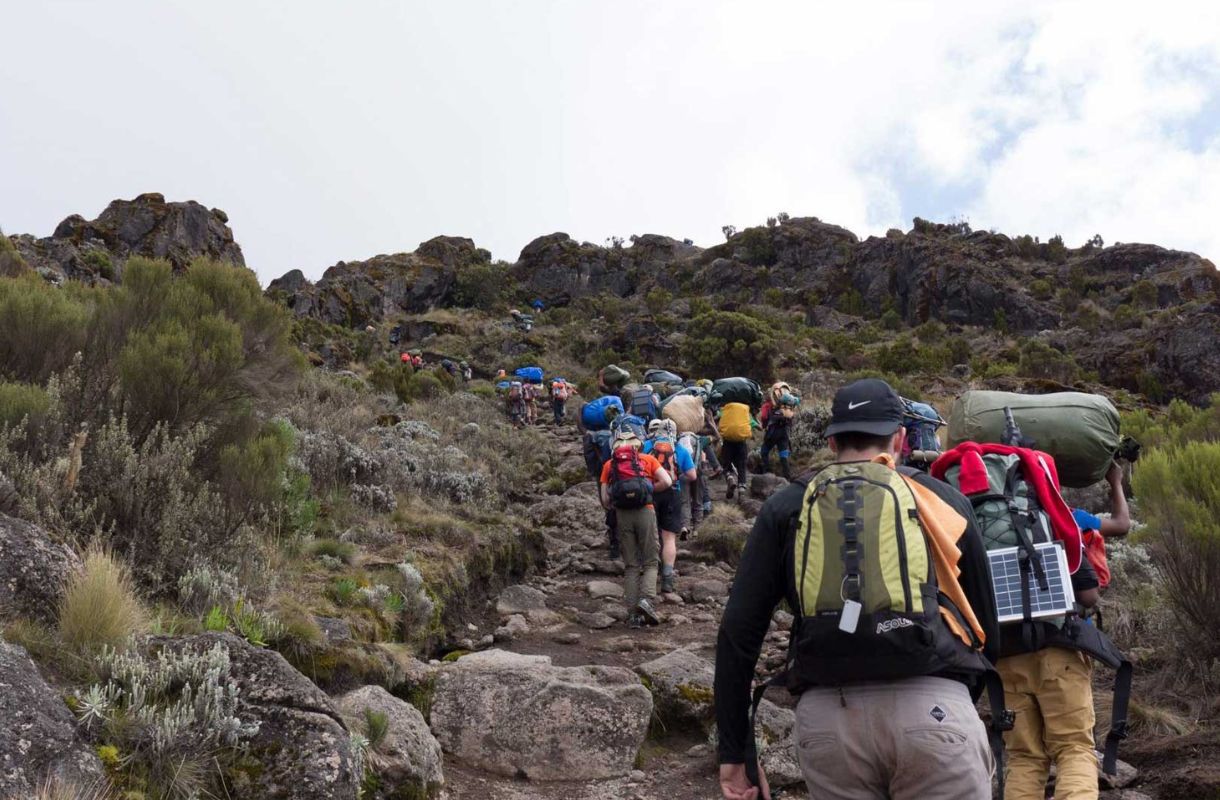
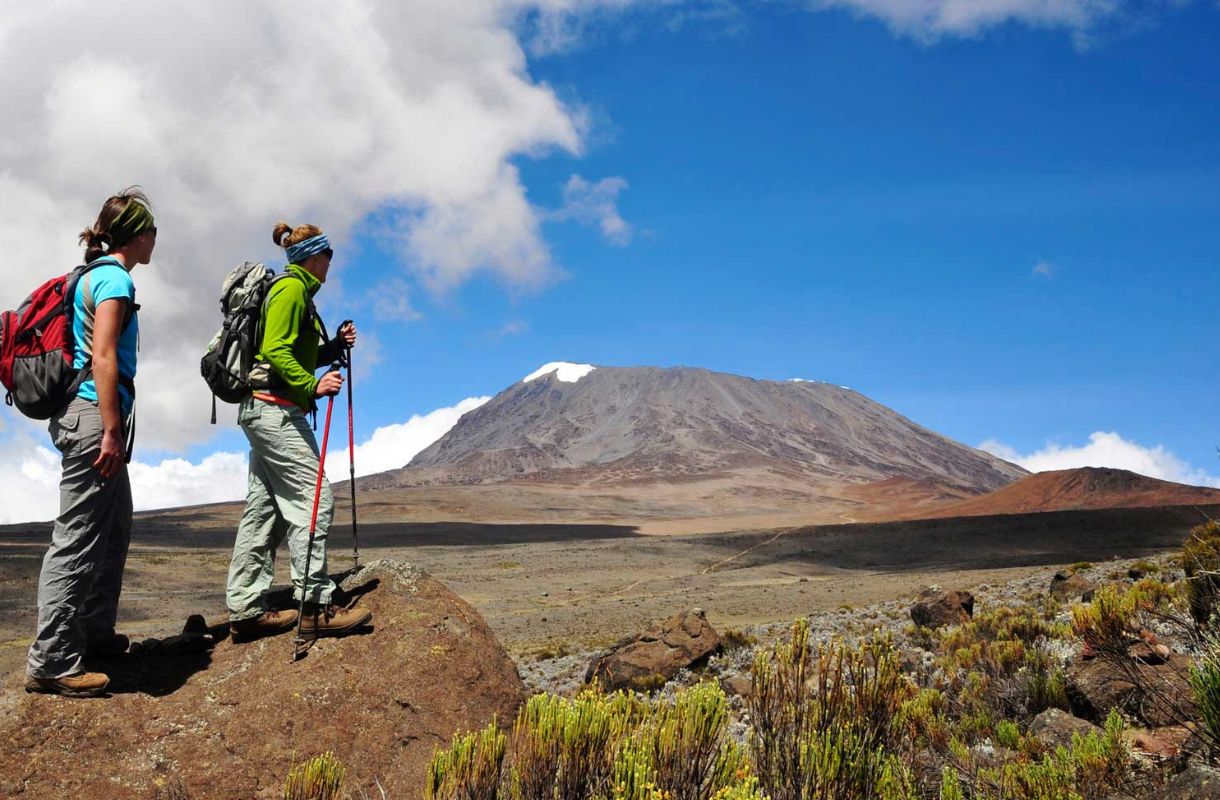
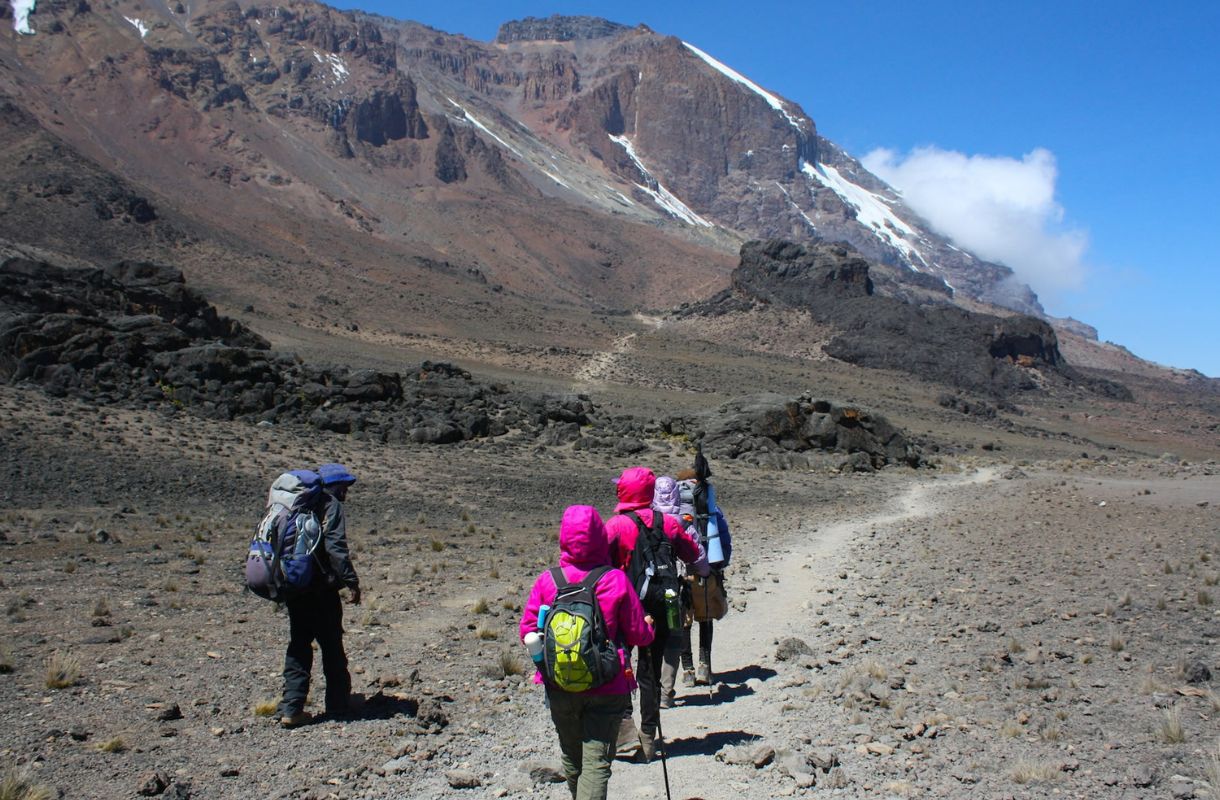
Nestled in Tanzania, Kilimanjaro offers a fascinating spectrum of weather conditions, influencing the entire climbing experience. Beginning in the lower altitudes, the tropical climate envelops adventurers in lush rainforests, where temperatures are warm, and occasional rain showers add a refreshing touch. As climbers ascend, the environment transforms, revealing distinct ecological zones. The alpine meadows offer a surreal beauty, but temperatures drop noticeably, heralding the onset of a more challenging climate.
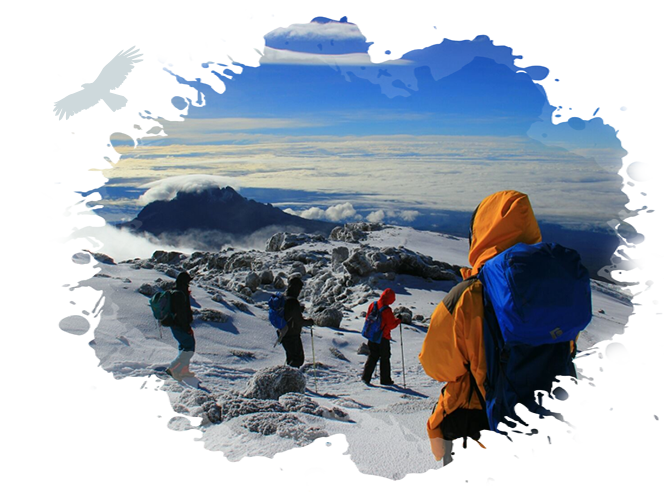
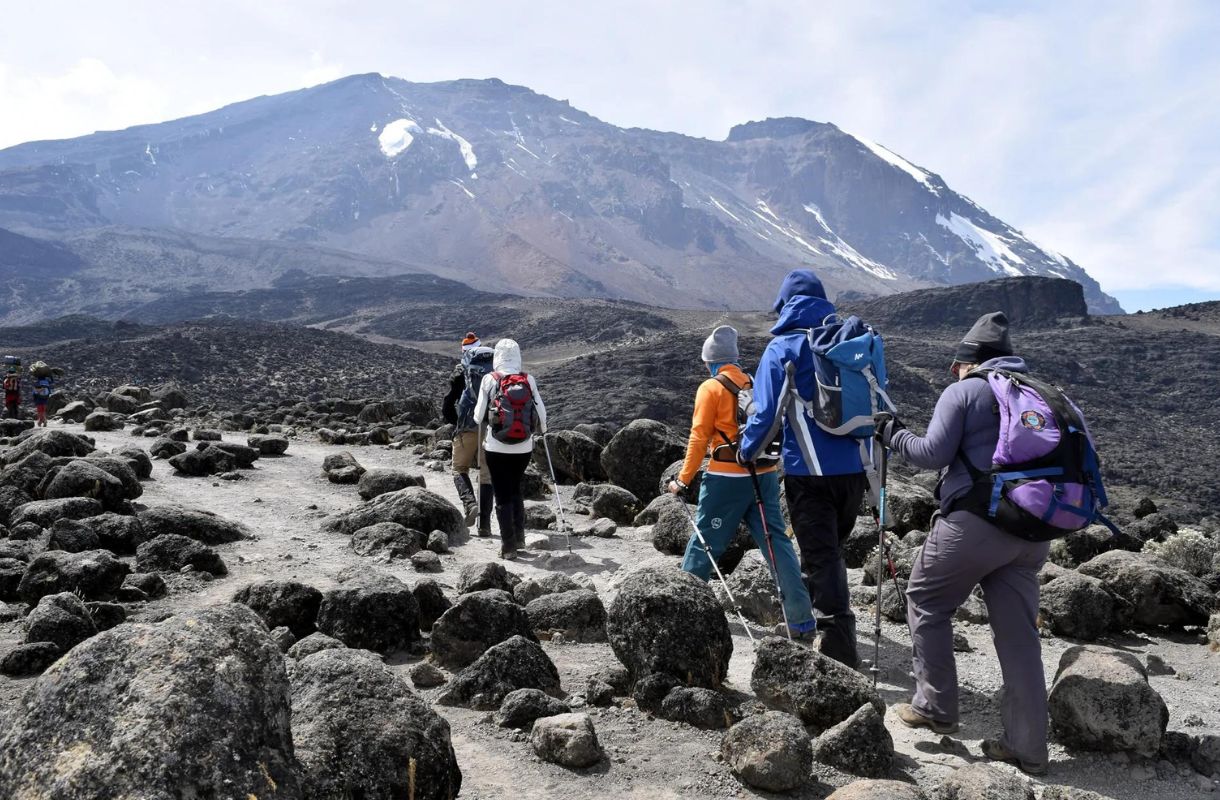
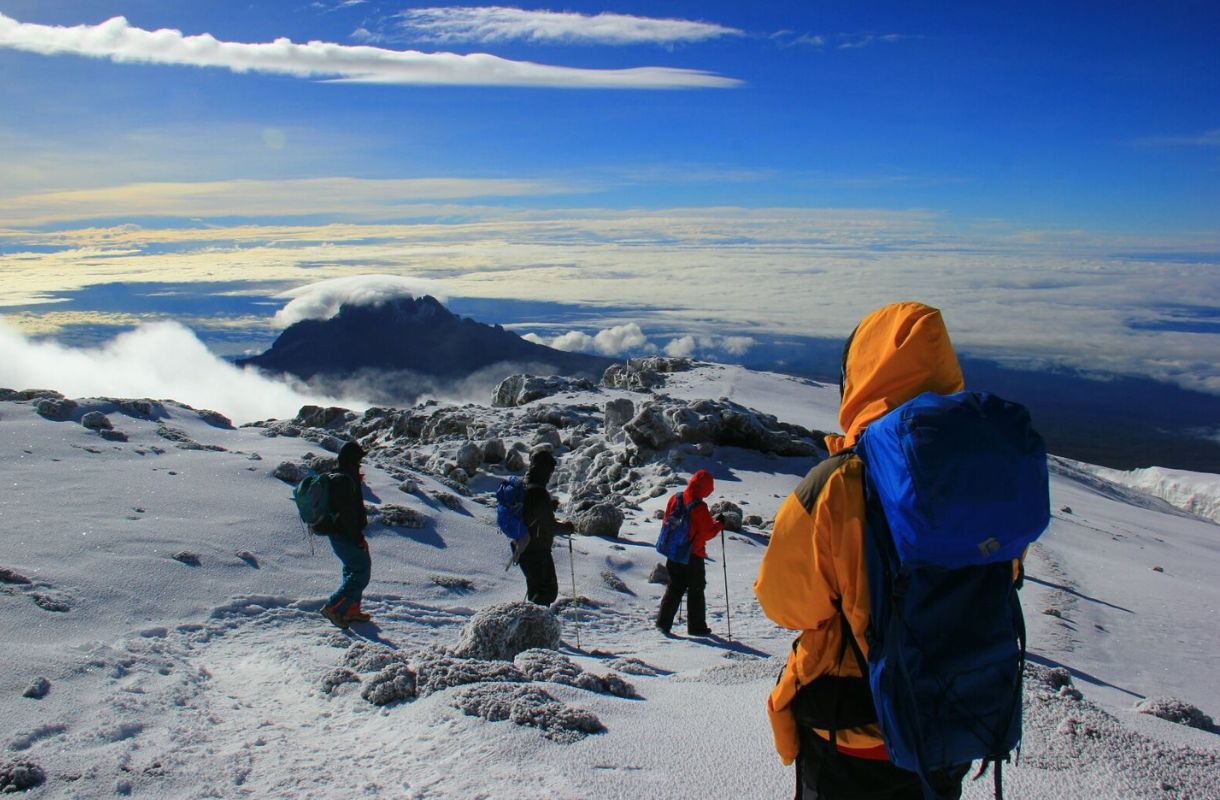
The upper reaches of Kilimanjaro are characterized by unpredictable weather, with chilling winds and the possibility of encountering snow. Monitoring Kilimanjaro Weather becomes imperative, influencing gear choices and acclimatization strategies. The ever-shifting weather patterns add an extra layer of complexity to the climb, demanding resilience and adaptability from those seeking to summit this iconic peak.
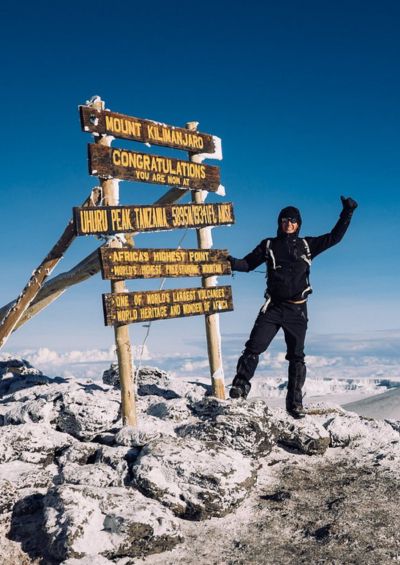
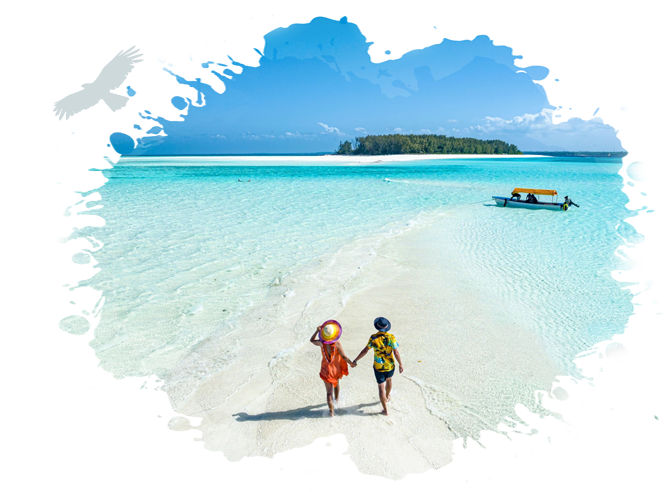
Climbing Kilimanjaro is like going from a hot beach to a snowy mountain top. Imagine starting in a warm place, feeling the sun on your skin. As you go up the mountain, it gets cooler, like when you leave summer behind and enter a cooler season.
So, climbing Kilimanjaro is like experiencing all four seasons in one journey!
Before you Climb Kilimanjaro, it's important to know about the weather. Weather means if it's hot, cold, or rainy. When you plan your adventure, think about the Kilimanjaro Weather changes.
So, before you go, check the weather. It helps you prepare and enjoy your Kilimanjaro adventure even more!
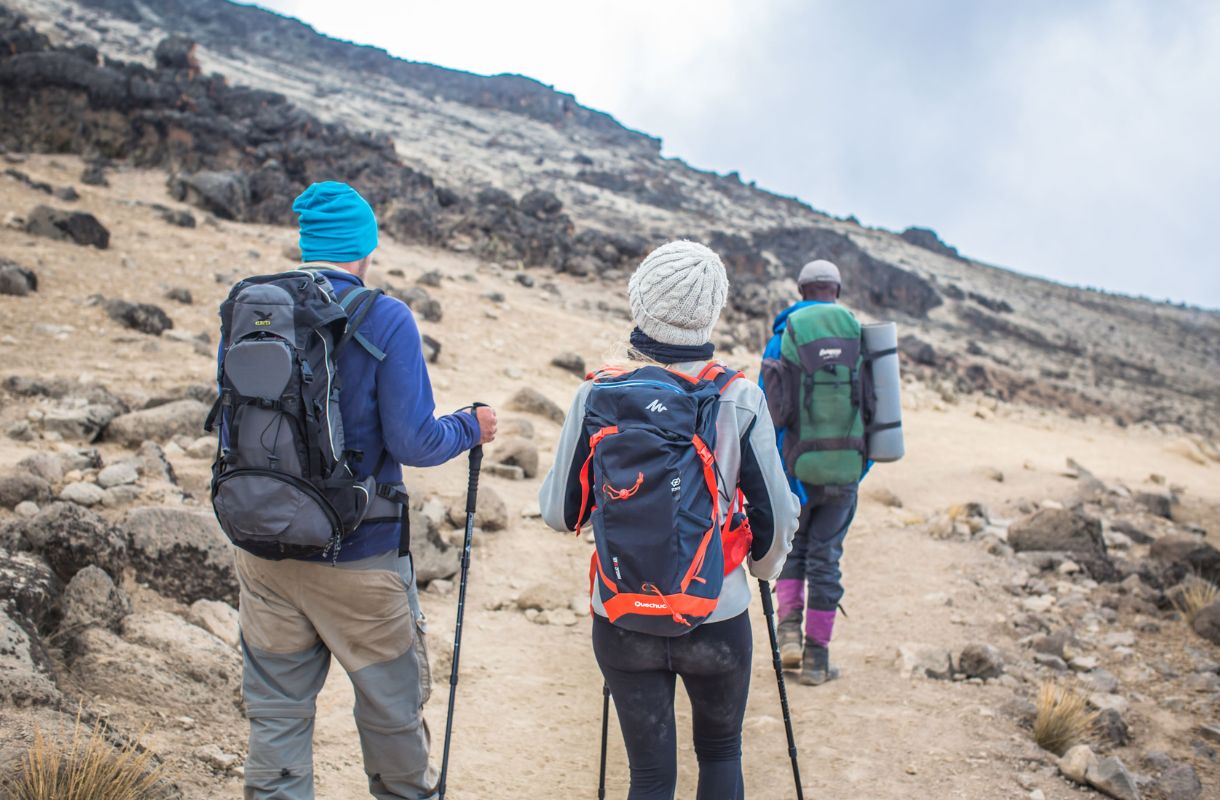
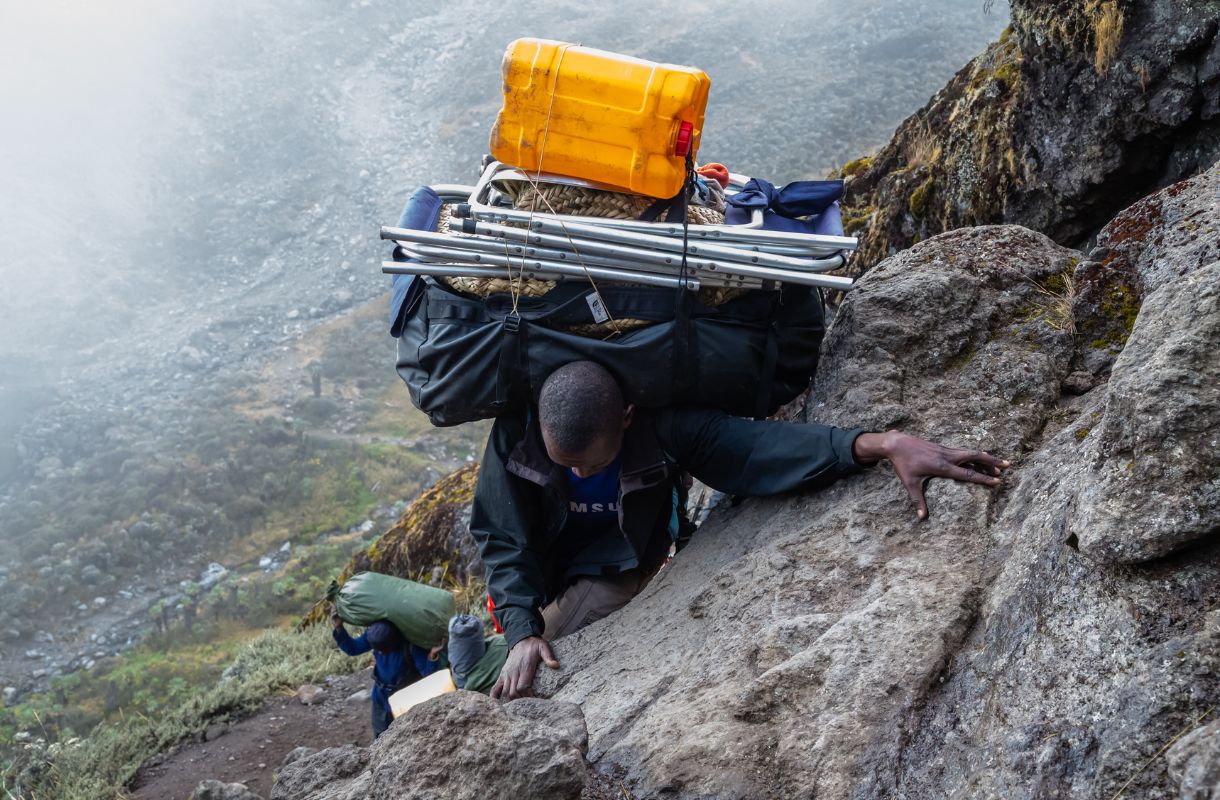
When you Climb Mount Kilimanjaro, it's like going through different weather zones. So, dressing right is super important. Bring the right clothes for each part of the journey, like getting ready for different seasons.
Dressing right makes your Kilimanjaro climb comfy and enjoyable. So, plan ahead and bring the right gear for every weather challenge!
Kilimanjaro Weather changes a lot. At the bottom, it's warm like a sunny day. As you climb, it gets cooler, and near the top, it's freezing, almost like a snowy winter day.
Dress in layers. Start with light clothes at the bottom, add warmer layers as you go up, and bring cozy winter Kilimanjaro Gear for the summit where it's super cold.
No, it starts warm, but it gets colder as you Climb Mount Kilimanjaro. Near the top, it's really cold with snow, so be prepared for a winter-like chill.
Yes, especially in the rainforest zone. Include a waterproof jacket and pants in your Kilimanjaro Packing List to stay dry during rainy spells.
Not a good idea. It's warm at the bottom, but as you Climb Kilimanjaro, it gets cooler. Wear pants to protect against the cold, and bring shorts for the warm start.
January to March and September to October are drier and the Best Time To Climb Kilimanjaro. Choose these months for a better chance of clear skies and pleasant conditions.
"We believe in better travel. The kind that empowers local communities, combats over-tourism, and helps the world’s wildest places stay that way. We’re about the type of trips founded on knowledge you won’t get from Google, and experiences that stay with you – for all the best reasons. It’s travel you can feel good about. And it’s travel that’s all about you. "





Unforgettable safari Experience at Tanzania Safari house in Serengeti: Luxury wildlife, and exceptional hospitality. Highly recommended
 USA
USA
We (2 adults plus 2 kids aged 9+11) undertook a 10 day trip to Arusha, Lake Eyasi, Ngorongoro, Serengeti, Lake Manyara and Tarangire. We wanted an individual tour which included not only game driving but some insights into socio-cultural life in Tanzania (the kids attended a local school for two days and we wanted to spend some time with the Datoga tribe and bushmen at Lake Eyasi)
 Italy
Italy
We took the 6 Days Safari Package in Ngorongoro and Serengeti, I would like to thank Dream African Safaris for the excellent preparation for our Ngorongoro tour. The tour was fabulous and hassle-free the accommodation was very nice and the food as well. they are very helpful. we really enjoyed it.
 USA
USA
Issak knows a lot about the park, He is fun and when you travel with him you learn a lot and he guides you well
 USA
USA
Unforgettable safari Experience at Tanzania Safari house in Serengeti: Luxury wildlife, and exceptional hospitality. Highly recommended
USA
We (2 adults plus 2 kids aged 9+11) undertook a 10 day trip to Arusha, Lake Eyasi, Ngorongoro, Serengeti, Lake Manyara and Tarangire. We wanted an individual tour which included not only game driving but some insights into socio-cultural life in Tanzania (the kids attended a local school for two days and we wanted to spend some time with the Datoga tribe and bushmen at Lake Eyasi)
Italy
We took the 6 Days Safari Package in Ngorongoro and Serengeti, I would like to thank Dream African Safaris for the excellent preparation for our Ngorongoro tour. The tour was fabulous and hassle-free the accommodation was very nice and the food as well. they are very helpful. we really enjoyed it.
USA
Issak knows a lot about the park, He is fun and when you travel with him you learn a lot and he guides you well
USA
Unforgettable safari Experience at Tanzania Safari house in Serengeti: Luxury wildlife, and exceptional hospitality. Highly recommended
USA
We (2 adults plus 2 kids aged 9+11) undertook a 10 day trip to Arusha, Lake Eyasi, Ngorongoro, Serengeti, Lake Manyara and Tarangire. We wanted an individual tour which included not only game driving but some insights into socio-cultural life in Tanzania (the kids attended a local school for two days and we wanted to spend some time with the Datoga tribe and bushmen at Lake Eyasi)
Italy
We took the 6 Days Safari Package in Ngorongoro and Serengeti, I would like to thank Dream African Safaris for the excellent preparation for our Ngorongoro tour. The tour was fabulous and hassle-free the accommodation was very nice and the food as well. they are very helpful. we really enjoyed it.
USA
Issak knows a lot about the park, He is fun and when you travel with him you learn a lot and he guides you well
USA
Unforgettable safari Experience at Tanzania Safari house in Serengeti: Luxury wildlife, and exceptional hospitality. Highly recommended
USA
We (2 adults plus 2 kids aged 9+11) undertook a 10 day trip to Arusha, Lake Eyasi, Ngorongoro, Serengeti, Lake Manyara and Tarangire. We wanted an individual tour which included not only game driving but some insights into socio-cultural life in Tanzania (the kids attended a local school for two days and we wanted to spend some time with the Datoga tribe and bushmen at Lake Eyasi)
Italy
We took the 6 Days Safari Package in Ngorongoro and Serengeti, I would like to thank Dream African Safaris for the excellent preparation for our Ngorongoro tour. The tour was fabulous and hassle-free the accommodation was very nice and the food as well. they are very helpful. we really enjoyed it.
USA
Issak knows a lot about the park, He is fun and when you travel with him you learn a lot and he guides you well
USA
Unforgettable safari Experience at Tanzania Safari house in Serengeti: Luxury wildlife, and exceptional hospitality. Highly recommended
USA
We (2 adults plus 2 kids aged 9+11) undertook a 10 day trip to Arusha, Lake Eyasi, Ngorongoro, Serengeti, Lake Manyara and Tarangire. We wanted an individual tour which included not only game driving but some insights into socio-cultural life in Tanzania (the kids attended a local school for two days and we wanted to spend some time with the Datoga tribe and bushmen at Lake Eyasi)
Italy
We took the 6 Days Safari Package in Ngorongoro and Serengeti, I would like to thank Dream African Safaris for the excellent preparation for our Ngorongoro tour. The tour was fabulous and hassle-free the accommodation was very nice and the food as well. they are very helpful. we really enjoyed it.
USA
Issak knows a lot about the park, He is fun and when you travel with him you learn a lot and he guides you well
USA
Unforgettable safari Experience at Tanzania Safari house in Serengeti: Luxury wildlife, and exceptional hospitality. Highly recommended
USA
We (2 adults plus 2 kids aged 9+11) undertook a 10 day trip to Arusha, Lake Eyasi, Ngorongoro, Serengeti, Lake Manyara and Tarangire. We wanted an individual tour which included not only game driving but some insights into socio-cultural life in Tanzania (the kids attended a local school for two days and we wanted to spend some time with the Datoga tribe and bushmen at Lake Eyasi)
Italy
We took the 6 Days Safari Package in Ngorongoro and Serengeti, I would like to thank Dream African Safaris for the excellent preparation for our Ngorongoro tour. The tour was fabulous and hassle-free the accommodation was very nice and the food as well. they are very helpful. we really enjoyed it.
USA
Issak knows a lot about the park, He is fun and when you travel with him you learn a lot and he guides you well
USA
Unforgettable safari Experience at Tanzania Safari house in Serengeti: Luxury wildlife, and exceptional hospitality. Highly recommended
USA
We (2 adults plus 2 kids aged 9+11) undertook a 10 day trip to Arusha, Lake Eyasi, Ngorongoro, Serengeti, Lake Manyara and Tarangire. We wanted an individual tour which included not only game driving but some insights into socio-cultural life in Tanzania (the kids attended a local school for two days and we wanted to spend some time with the Datoga tribe and bushmen at Lake Eyasi)
Italy
We took the 6 Days Safari Package in Ngorongoro and Serengeti, I would like to thank Dream African Safaris for the excellent preparation for our Ngorongoro tour. The tour was fabulous and hassle-free the accommodation was very nice and the food as well. they are very helpful. we really enjoyed it.
USA
Issak knows a lot about the park, He is fun and when you travel with him you learn a lot and he guides you well
USAOur commitment to exceptional stays goes hand in hand with cultivating strategic partnerships. We take pride in collaborating with a select network of accommodation providers, certifying that our travelers experience comfort, uniqueness, and excellence.